
How To Retail Price

📖 Table of Contents
- Understanding the Basics of Retail Pricing in Travel
- Researching Market Trends and Competitor Pricing
- Calculating Your Profit Margin and Setting a Target Price
- Adding Value Through Unique Experiences
- Considering the Time of Year and Seasonality
- Using Data and Analytics to Refine Your Pricing Strategy
- Setting Clear Terms and Conditions for Your Pricing
- Make It Your Way
- Frequently Asked Questions
I remember the first time I tried to retail price a trip to Southeast Asia. I had spent weeks researching, booking flights, and planning an itinerary that included a mix of cultural immersion and adventure. But when it came time to set a price for my travel package, I felt completely lost. How much should I charge? Was I overpricing or underpricing? I had no clear framework to guide me. That confusion led me to dig deep into the world of retail pricing, and what I found was both empowering and eye-opening.[4]
Retail pricing for travel isn't just about throwing numbers into a spreadsheet and hoping for the best. It's a nuanced process that takes into account everything from the value of the experience to the market demand for similar trips. When I finally applied the right strategies, I was able to set a price that not only covered my costs but also reflected the true value of the trip. It wasn't easy, but it was worth it. Now, I want to share that knowledge with you.
Whether you're a seasoned travel blogger or a first-time travel planner, knowing how to retail price your trips can make all the difference. It’s the key to not only turning your passion into profit but also ensuring that the people who join your trips feel they’ve gotten their money’s worth. This article is the result of my own journey and the insights I’ve gathered from years of planning and pricing travel experiences.
Why You'll Love This Approach to Retail Pricing
- You’ll gain confidence in setting prices that are fair and profitable.
- You’ll learn how to calculate costs accurately and avoid underpricing.
- You’ll understand how to align your pricing with the market and your target audience.
- You’ll be able to create a transparent and compelling value proposition for your travelers.
Understanding the Basics of Retail Pricing in Travel
As of October 2026, at its core, retail pricing for travel is about balancing your costs with the value you offer. It’s not just about covering the cost of flights or hotels—it’s about ensuring that travelers feel they’re getting a fair return for their investment. When I first started, I overlooked expenses like local guides, transportation within the destination, and even taxes. This led to underpricing, which hurt my profit margins.
The first step in retail pricing is to break down all the fixed and variable costs associated with the trip. Fixed costs might include things like your own time, while variable costs can range from flights and accommodations to activities and meals. I found that creating a detailed list of all these expenses was a game-changer. It helped me see where I could cut corners without compromising the quality of the experience.
Once you’ve itemized all your costs, the next step is to consider the value you’re providing. This is where the art of retail pricing comes into play. Are you offering a unique experience that isn’t available elsewhere? If so, that can justify a higher price. In my case, I realized that the local guides I hired were an added value that I hadn’t fully accounted for in my initial calculations.
List every possible expense and categorize them into fixed and variable costs. This will help you see your bottom line clearly and avoid underpricing your trips.
Researching Market Trends and Competitor Pricing
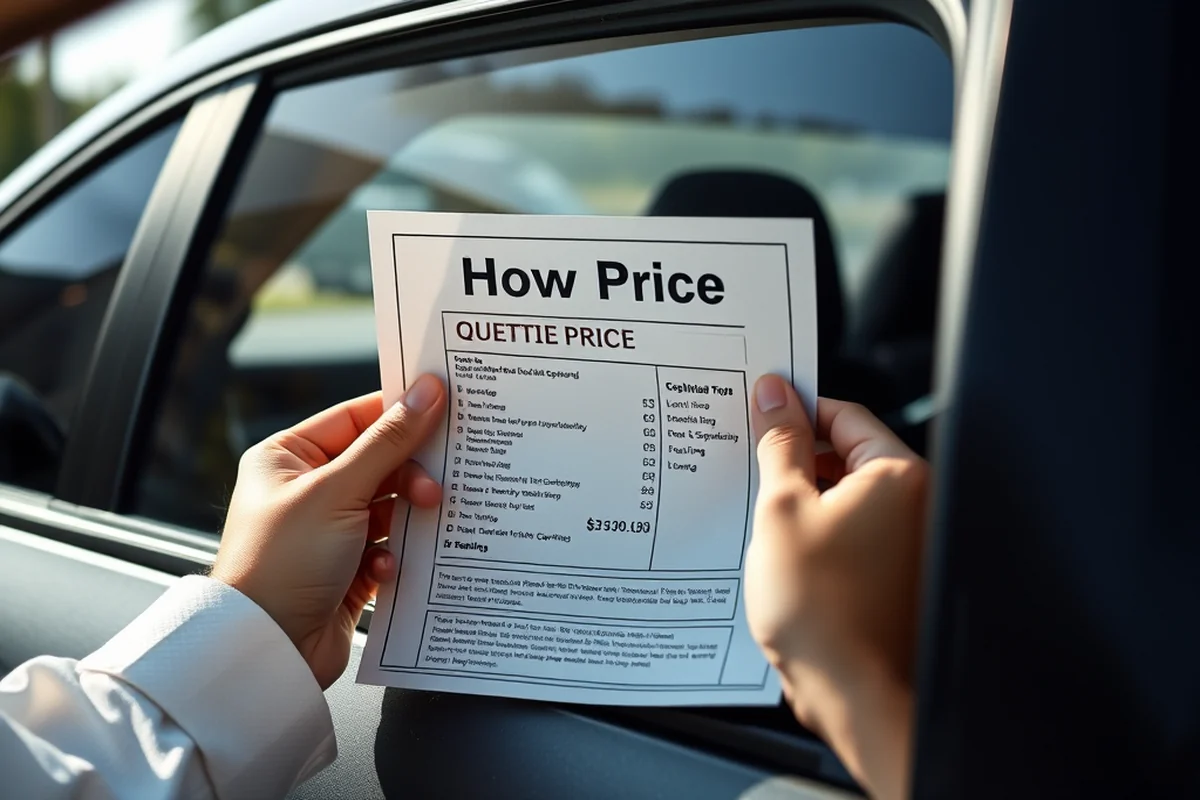
After I built a detailed cost breakdown, I moved on to researching the market. I looked at similar trips offered by other travel agencies and bloggers to see what they were charging. This gave me a benchmark and helped me understand the range of prices travelers were willing to pay for similar experiences. It was surprising to see how much variation there was in pricing for the same destinations and activities.
I also looked into what factors were influencing prices. Was it the time of year? The length of the trip? The number of people in the group? Understanding these factors helped me adjust my pricing strategy accordingly. For example, I noticed that trips to Southeast Asia were more expensive during the monsoon season, and that reflected in the prices of other travel companies.
I also reached out to my audience through my blog and social media to see what they were willing to pay. Their feedback was invaluable. Many of them were surprised at how much they were willing to pay for a well-organized, expert-led trip. This insight helped me set a price that not only covered my costs but also met the expectations of my target audience.[1]
The market is your best teacher—don’t ignore it.
Related: Discount school supplies
Calculating Your Profit Margin and Setting a Target Price
With my cost breakdown and market research in hand, I was ready to calculate my profit margin. I used a simple formula: (Revenue - Cost) / Cost * 100. This gave me a clear idea of how much I could make on each trip. I realized that I needed to increase my price by at least 20% to ensure I was making a profit while still offering a competitive price.[2]
I also considered the value I was adding. Since I was providing a local guide and a curated itinerary, I could justify a slightly higher price. I compared my target price to other companies in the same space and found that I was still within the competitive range. This gave me confidence that my price was fair and reasonable.
Once I set my target price, I tested it with a small group. The feedback was overwhelmingly positive, and they were willing to pay the price I had set. This gave me the confidence to move forward with my pricing strategy and expand my offerings.
Calculate your profit margin using the formula (Revenue - Cost) / Cost * 100. This will help you determine a fair price that covers your costs and offers a profit.[3]
“I remember the first time I tried to retail price a trip to Southeast Asia.”— Student Travel Discounts editors
Related: What is discount dance
Adding Value Through Unique Experiences

One of the most effective ways to justify a higher price is by adding unique experiences that aren’t available elsewhere. In my case, I offered a private cooking class with a local chef and a guided visit to a hidden temple that wasn’t on any of the standard itineraries. These added experiences made my trip stand out and justified a higher price.
I also made sure to highlight these unique experiences in my marketing materials. Travelers are willing to pay more for a trip that offers something different and memorable. I found that my trips with these unique experiences had higher booking rates and better reviews.
Another way to add value is by offering personalized services. I made sure to respond to all my travelers’ questions before the trip and provided them with a custom itinerary based on their interests. This personalized touch not only enhanced the experience but also gave me a reason to charge a premium.
Related: Amtrak student discount
Considering the Time of Year and Seasonality
Seasonality is a key factor in retail pricing for travel. I noticed that prices for Southeast Asia trips were higher during the dry season and lower during the monsoon season. This made sense because there was less demand during the rainy months, and travel companies had to adjust their prices accordingly.
I used this knowledge to set different prices for different seasons. For example, I offered a discount for trips during the monsoon season to attract travelers who were looking for a more affordable option. This strategy helped me increase my bookings during the off-season without sacrificing quality.
I also considered the impact of holidays and peak travel times. For instance, prices during the Christmas and New Year holidays were significantly higher, and I adjusted my pricing strategy to reflect that. This helped me maximize my profits during peak times while still offering a competitive price.
Related: Claude for student discount
Using Data and Analytics to Refine Your Pricing Strategy
After setting my initial prices, I used data and analytics to refine my strategy. I looked at the number of bookings, the average price paid, and the conversion rates for different price points. This helped me understand what prices were most effective and where I could make adjustments.
I also used A/B testing to see how different price points affected my bookings. I found that a slightly higher price with a guarantee of a unique experience resulted in more bookings than a lower price with a generic itinerary. This gave me the confidence to adjust my pricing strategy based on real data.
Data can also help you identify trends and make predictions. For example, I noticed that travelers were more likely to book trips with a guaranteed minimum number of participants. This insight helped me adjust my pricing strategy to ensure that I met the minimum number of travelers for each trip.
Data doesn’t lie—use it to your advantage.
Related: Buy 1 get 1 free
Setting Clear Terms and Conditions for Your Pricing
Once I had my pricing strategy in place, I made sure to set clear terms and conditions. This included information about cancellations, refunds, and any additional fees that might apply. I found that being transparent about these terms helped build trust with my travelers and reduced the number of disputes.
I also made sure to outline the exact cost of the trip and what was included. Travelers appreciated knowing exactly what they were paying for, and it reduced the number of last-minute questions. I had a clear breakdown of the cost, and I made sure to highlight the value I was providing.
Setting clear terms and conditions also helped me manage my expectations. I knew what I was charging and what my travelers were getting. This helped me maintain a fair and transparent relationship with my customers.
💰 Budget Traveler
Looking for a budget-friendly trip with no frills but plenty of adventure.
✈️ Long Weekend Escape
A quick getaway designed for those with limited time and a desire for adventure.
👨👩👧👦 Family Adventure
A trip tailored for families, with activities and accommodations that cater to all ages.
🌦️ Off-Season Deal
A trip that offers lower prices and fewer crowds, perfect for those who prefer off-peak travel.
💎 Luxury Getaway
A high-end trip with premium accommodations and unique experiences tailored for discerning travelers.
| The mistake | Why it happens | The fix |
|---|---|---|
| Not considering all costs | Underestimating costs can lead to underpricing, which can hurt your profit margins and even result in losses. | Create a detailed cost breakdown that includes all fixed and variable expenses to ensure you’re pricing your trips accurately. |
| Ignoring market research | Failing to research the market and competitor pricing can lead to overpricing or underpricing, both of which can hurt your business. | Conduct thorough market research and analyze competitor pricing to set a competitive and fair price. |
| Overlooking the value of the experience | Failing to highlight the unique experiences and value you’re offering can lead to lower bookings and negative reviews. | Emphasize the unique experiences and personalized services you’re offering to justify a higher price and attract travelers. |
| Not setting clear terms and conditions | Failing to set clear terms and conditions can lead to disputes and a lack of trust with your travelers. | Set clear terms and conditions, including information about cancellations, refunds, and what’s included in the trip. |
How To Retail Price
Common Questions
How do I determine the right price for a travel package?
Can I set different prices for different seasons or times of year?
What’s the best way to add value to a trip to justify a higher price?
How can I use data to refine my pricing strategy?
References
- Maps and Data - Average Annual Retail Fuel Price of Gasoline (afdc.energy.gov)
- Grocery Store Feature Reports | Agricultural Marketing Service - USDA (ams.usda.gov)
- Average Retail Food and Energy Prices, U.S. City Average and West ... (bls.gov)
- Are online prices higher because of pricing algorithms? | Brookings (brookings.edu)
Cite this guide
Student Travel Discounts (2026). How To Retail Price. https://studentrove.com/how-to-retail-price/
Feel free to cite or share this guide.
Student Stay Type Matcher
Ranks student lodging types by weighted priorities.
Open it free →