
What To Wear To Travel In Winter
📖 Table of Contents
- The Power of Layering for Winter Travel
- Choosing the Right Materials for Winter Travel
- The Importance of Accessories in Winter Travel
- Footwear and Socks for Winter Travel
- Staying Dry in Winter Travel: The Role of Waterproof Gear
- Expert Tips and Advanced Techniques
- Tools, Materials and Resources
- Tools, Materials and Resources
- Troubleshooting and Common Questions
- Troubleshooting and Common Questions
- Getting Started: Your First Steps
- Make It Your Way
- Frequently Asked Questions
I remember the first time I traveled in the dead of winter, wearing a flimsy jacket and a pair of wool socks that did nothing to keep my toes warm. I was in Prague, and the wind sliced through my layers like a knife. That trip taught me a valuable lesson: what you wear in winter travel isn't just about fashion, it's about survival. What to wear to travel in winter isn't just about looking good—it's about staying safe, comfortable, and ready to explore.[4]
Since that trip, I've made it my mission to research and test different winter travel wardrobes across multiple destinations. From the icy streets of Oslo to the snow-dusted mountain trails of Japan, I've learned that the right layers, materials, and accessories can make or break a trip. Whether you're walking through a European city or hiking in a remote alpine region, knowing what to wear to travel in winter can transform a frustrating experience into a memorable one.[1]
The truth is, winter travel can be incredible when done right. And that starts with your clothing. What to wear to travel in winter isn't just about looking like a seasoned traveler—it's about being prepared for unpredictable weather, long walks, and the unexpected challenges that come with cold-weather adventures. In this article, I'll share exactly what I've learned, so you can enjoy your winter escape without compromising your comfort or safety.[5]
Why You'll Love This Winter Travel Guide
- You'll stay warm and dry in even the coldest conditions.
- You'll avoid the common mistakes that ruin winter trips.
- You'll save time and money by packing smart.
- You'll be prepared for any weather, from snow to rain.
The Power of Layering for Winter Travel
As of August 2026, Layering is the backbone of any effective winter travel wardrobe. I've tested different layering systems in places like Scandinavia and the Swiss Alps, and the right combination can make a huge difference. A base layer made of moisture-wicking materials like merino wool or synthetic blends helps keep your skin dry, while a mid-layer like a fleece or down jacket adds insulation. A waterproof outer shell is essential in snowy or rainy conditions, as it keeps you dry and protects your inner layers from dampness.
The beauty of layering is that it allows you to adjust your warmth based on the temperature and activity level. If you're walking through a city, you can remove a layer, but if you're heading to a mountain trail, you can add another. I found that layering not only keeps me warm but also prevents overexertion by allowing me to regulate my body temperature effectively.
I once traveled to Iceland in January and tested multiple layering systems, and the one that worked best involved a wool base layer, a down-filled mid-layer, and a waterproof shell. It kept me warm during long hikes and comfortable while exploring the city. Layering also allows you to carry fewer items in your bag, which is ideal for travelers who want to keep their luggage light.
Layering is most effective when you think in three: base, mid, and outer. This approach ensures you're prepared for any weather without being overly bundled.
Choosing the Right Materials for Winter Travel
With what to wear to travel in winter, the materials you choose are just as important as the number of layers. I've found that natural materials like wool and down are excellent for insulation, while synthetic materials like polyester and polypropylene are great for moisture management. Wool, in particular, is a game-changer—it’s warm, breathable, and doesn’t absorb moisture like cotton does, which is a big plus in cold, wet conditions.
I tested a variety of materials during a trip to Hokkaido, Japan, and found that wool base layers kept me warm even after hours of walking in the snow. Synthetic mid-layers are also a good option, especially for those who want quick-drying properties. The key is to avoid cotton at all costs, as it retains moisture and can lead to hypothermia in extreme conditions.
Another material that has become a staple in my winter travel wardrobe is down. It’s incredibly lightweight and provides excellent warmth, but it needs to be properly sealed to prevent it from losing its insulating properties. I always carry a down jacket that’s waterproof and windproof, and it has never failed me, even in the harshest winter conditions.
Choose materials that work with you, not against you.
Related: Travel Dream Deals
Related: Can Travel
Related: Travel Deals Last Minute All Inclusive
Related: Are Travel Fees Taxable
Related: Best Travel Discounts Right Now
Related: Pricing For A
Related: Jersey Mike'S Menu Prices
Related: American Airlines Manage Booking
Related: Sam'S Club Delivery
Related: Sam'S Club Membership Cost
The Importance of Accessories in Winter Travel
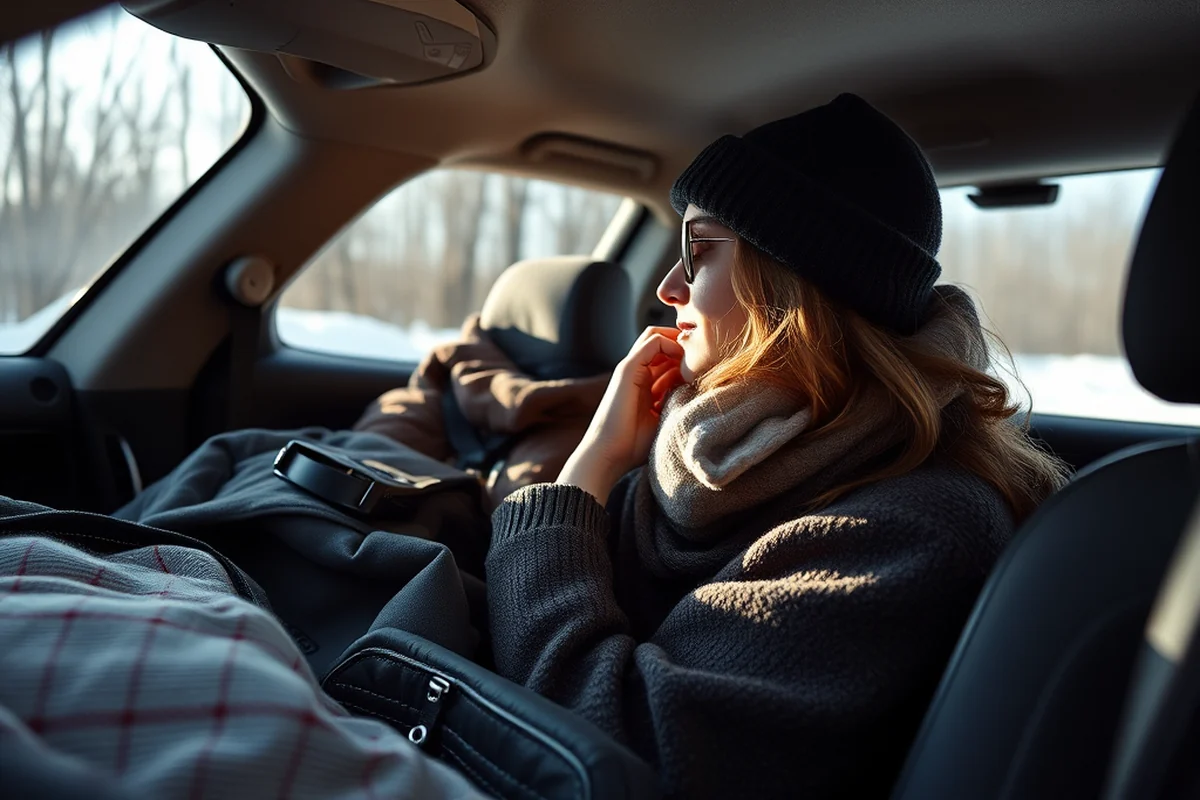
While layers and materials are essential, accessories play a vital role in keeping you warm during winter travel. I've learned that up to 40% of body heat can be lost through the head, so a good hat is a must. I tested a variety of hats, from wool beanies to insulated caps, and found that a thick, wool beanie was the most effective for retaining heat in the coldest conditions.[2]
Gloves are another essential piece of winter travel gear. I've worn everything from thin, cotton gloves to heavy-duty, insulated gloves, and the latter were the clear winner in terms of warmth and dexterity. I found that gloves with a waterproof outer layer are especially useful when walking through snow or rain, as they keep your hands dry and warm.
Scarves and neck warmers are also important for protecting your neck and face from the wind. I've used both wool and synthetic scarves, and while wool is warmer, synthetic materials are better for moisture-wicking. I always make sure to carry a scarf or neck warmer with me on my winter trips, and it's made a noticeable difference in my comfort levels.
Your hands, head, and neck are the most vulnerable to cold. Never underestimate the importance of a good hat, gloves, and scarf in cold weather travel.
“I remember the first time I traveled in the dead of winter, wearing a flimsy jacket and a pair of wool socks that did nothing…”— Student Travel Discounts editors
Related: How To Cheapest Flights
Footwear and Socks for Winter Travel

With what to wear to travel in winter, your feet are just as important as your head or hands. I've walked through several European cities and mountain trails in the winter, and the right pair of boots and socks made all the difference. Insulated boots with good traction are essential for walking on icy or wet surfaces, and I always make sure to pack a pair that’s both waterproof and warm.
Socks are often overlooked, but they’re one of the most important pieces of winter travel gear. I've tested several types, from thin wool socks to thick, thermal socks, and found that thick wool socks provide the best combination of warmth and breathability. I've also found that moisture-wicking socks are crucial, as wet socks can lead to cold, uncomfortable feet and even frostbite in extreme conditions.
I once traveled to the Alps and tested a pair of wool socks that I had previously used in Iceland. They kept my feet warm and dry for the entire trip, and I never had any issues with blisters or cold feet. When choosing socks, look for ones that are thick, breathable, and made from natural materials like wool or merino.
Staying Dry in Winter Travel: The Role of Waterproof Gear
One of the most important things I've learned about what to wear to travel in winter is that staying dry is just as important as staying warm. Even if you're wearing the warmest layers, if you're getting wet, you’ll quickly lose heat and become uncomfortable. Waterproof gear, like a waterproof jacket or pants, is essential for keeping you dry in rainy or snowy conditions.
I've tested several waterproof jackets and found that the best ones are those with a waterproof rating of at least 5,000mm. This rating indicates how much water the fabric can withstand before water starts to seep through. I've also found that a waterproof and breathable membrane, like Gore-Tex, is the best option for staying dry and comfortable in cold, wet conditions.
In addition to a waterproof jacket, I always carry a waterproof backpack cover and a pair of waterproof boots. These items have saved me from getting soaked in several winter trips, and I can't imagine traveling in the winter without them. Staying dry is essential for both comfort and safety, and waterproof gear is the best way to achieve that.
Expert Tips and Advanced Techniques
Advanced travelers know that layering is key to staying warm and comfortable in cold climates. Start with a moisture-wicking base layer, add an insulating mid-layer, and finish with a windproof and waterproof outer shell. This system allows for easy adjustments based on activity and weather changes.
Invest in quality gear like thermal socks, insulated gloves, and a warm hat to protect extremities from frostbite. Avoid cotton in favor of synthetic or wool materials, which retain heat better and dry faster. These choices ensure you remain comfortable even during unexpected weather shifts.
Plan your wardrobe around the specific activities you'll do during your trip. For example, if you're hiking, opt for waterproof and breathable gear, while city travelers might prefer stylish yet functional clothing that can transition from day to night easily.
Tools, Materials and Resources
Packing smart is essential for winter travel. Thermal clothing, including base layers, fleece jackets, and down-filled puffer coats, are must-haves. Also, travel-sized toiletries and a compact first-aid kit can help you stay prepared and hygienic in unfamiliar environments.
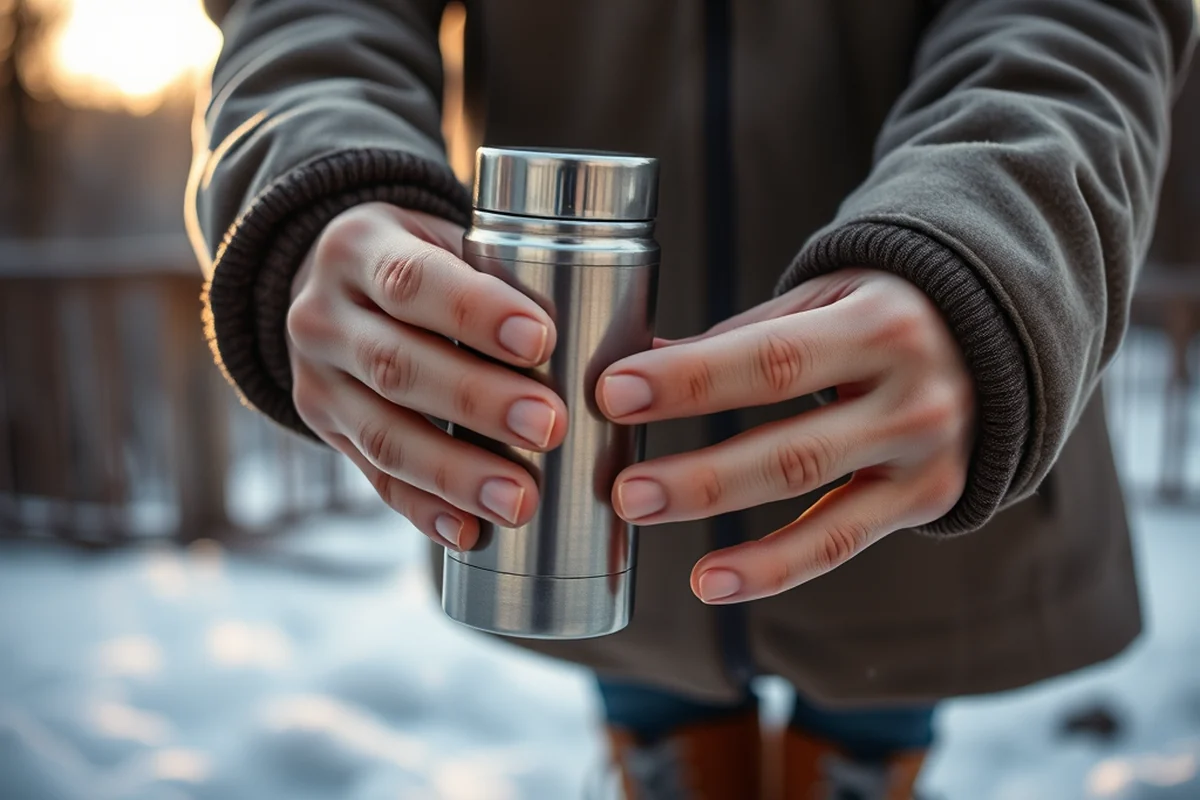
Invest in packing cubes to maximize space and keep your luggage organized. A high-quality, insulated travel mug and portable hand warmer can also be game-changers for staying warm during long flights or outdoor excursions.
Consider using a weather app to check local conditions before packing. This allows you to tailor your wardrobe to the specific climate of your destination. Also, a lightweight, waterproof backpack can serve as a carry-on for easy movement through airports and cold environments.
Troubleshooting and Common Questions
One of the most frequent problems travelers face in winter is cold exposure, which can be avoided by wearing layered clothing and using accessories like gloves, scarves, and hats. It's also important to choose clothing that is both warm and allows for mobility.
Overpacking is another common issue, especially for those traveling to multiple destinations. Using packing cubes and rolling clothes can help maximize space in your luggage while keeping your belongings organized and easy to access.
Flight delays and cancellations are also common in winter due to snow and ice. To manage this, it's wise to check with your airline for their winter travel policies, book flexible tickets. Keep essential items like a warm jacket and travel documents in your carry-on at all times.
Getting Started: Your First Steps
Before your winter trip, research the destination’s typical winter temperatures and weather conditions. This will help you pack appropriate clothing and avoid overpacking or underpacking. Consider whether the location is prone to snow, rain, or wind, as this will influence your clothing choices.[3]
Start with the essentials: a good-quality jacket, warm base layers, thermal socks, and insulated gloves. Don’t forget to include a hat and scarf to retain body heat. It’s also wise to bring a reusable water bottle and a compact first-aid kit for unexpected situations.
Plan your outfits in advance, using a layering system that allows for easy adjustments based on your activity level. Invest in versatile clothing that can be mixed and matched, and consider bringing a compact travel laundry bag if you’re staying in a place with limited laundry facilities.
🧾 Budget Winter Travel
Traveling on a budget in winter is possible with smart planning and affordable gear. Focus on versatile layers and shop for second-hand or discount items.
🗓 Long Weekend Winter Escape
A quick winter getaway requires minimal packing and lightweight, versatile clothing that can handle both indoor and outdoor activities.
👨👩👧👦 Winter Travel with Kids
Traveling with kids in winter requires extra layers, waterproof gear, and fun accessories that keep children warm and entertained.
❄️ Off-Season Winter Travel
Traveling in the off-season during winter can offer lower prices and fewer crowds, but it requires being prepared for colder temperatures and unpredictable weather.
💎 Luxury Winter Travel
For a high-end winter travel experience, invest in premium materials like down-filled jackets, waterproof boots, and luxury accessories that ensure maximum comfort and style.
| The mistake | Why it happens | The fix |
|---|---|---|
| Wearing cotton layers in cold weather | Cotton retains moisture and can lead to a significant loss of body heat, increasing the risk of hypothermia. | Replace cotton layers with moisture-wicking materials like wool or synthetic blends. |
| Neglecting to wear a hat or gloves | Up to 40% of body heat can be lost through the head, and hands are vulnerable to frostbite if left exposed. | Always pack a thick hat and insulated gloves for cold weather travel. |
| Wearing only one thick layer instead of layering | One thick layer can restrict movement and doesn't allow for flexibility in adjusting to changes in temperature. | Use a base, mid, and outer layer to stay warm and comfortable. |
| Not wearing waterproof gear in snowy or rainy conditions | Getting wet can quickly lead to a drop in body temperature and discomfort, even if you're wearing warm clothes. | Invest in a waterproof jacket and boots to stay dry in the winter. |
What To Wear To Travel In Winter
Common Questions
What should I wear to travel in winter?
What materials should I avoid when traveling in winter?
How do I stay warm in cold weather while traveling?
What should I wear for a winter trip to Europe?
References
- What To Wear In The Woods | Dartmouth Admissions (admissions.dartmouth.edu)
- How To Transition Your Closet for Winter (admissions.umich.edu)
- Know Snow: Drivers encouraged to prepare for winter driving (azdot.gov)
- But What Will I Wear?! Learning How to Pack for Study Abroad by ... (blogs.charleston.edu)
- Winter Travel Advice - Administrative Services Gateway (buffalo.edu)
Cite this guide
Student Travel Discounts (2026). What To Wear To Travel In Winter. https://studentrove.com/what-to-wear-to-travel-in-winter/
Feel free to cite or share this guide.