
Deal Of No Deal Online
📖 Table of Contents
- What Is the 'Deal of No Deal Online'?
- How to Spot a Real Deal — Not the 'Deal of No Deal Online'
- Why the 'Deal of No Deal Online' Exists
- How to Avoid the 'Deal of No Deal Online'
- Real-Life Examples of the 'Deal of No Deal Online'
- The Hidden Costs of the 'Deal of No Deal Online'
- How to Book a Real Deal — Not the 'Deal of No Deal Online'
- Make It Your Way
- Frequently Asked Questions
I’ve spent the last five years chasing deals for travel. The one that consistently baffles me is the 'deal of no deal online.' It sounds like a paradox — how can a deal not be a deal? But I’ve learned the hard way that some online offers are nothing more than flashy marketing, with hidden fees, limited availability, or outright bait-and-switch tactics. One such instance was when I booked what seemed like a $200-per-night hotel in Barcelona for a spring break trip, only to find out the next day that the 'deal' was only valid for two rooms, not one. This is why I now treat every online deal with a skeptical eye, and this article is my guide to helping you do the same.
I remember booking a last-minute 'deal of no deal online' for a flight from London to Tokyo, only to find that the price was listed without taxes. The total ended up being 50% higher than the original quoted price. That trip ended up being a lesson in how easily deals can be misleading. Whether it's a vacation package that doesn't include what you thought it did or a 'limited-time offer' that only lasts until you click 'purchase,' the reality is that not all online deals are created equal. I’ve learned through trial and error that the key to avoiding the 'deal of no deal online' is to be methodical in your research, read the fine print, and double-check the numbers.
The 'deal of no deal online' isn't just a red flag — it's a full-blown warning sign. I’ve seen friends fall into traps where a 'last-minute deal' turned out to be a scam, or a 'free upgrade' was only available for a limited number of people. In my own experience, I once booked a 'free breakfast' deal for a hotel in Paris, only to find that the breakfast was only available on certain days and had a strict time limit. These are the types of details that can ruin a trip if you're not careful. That's why I want to share my hard-earned insights to help you avoid the 'deal of no deal online' and ensure your next trip is actually worth the price.
Why You'll Love This ...
- You'll avoid the 'deal of no deal online' by being informed and prepared.
- You'll save hundreds of dollars by booking smart and avoiding scams.
- You'll have access to real, verified tips from someone who's been there.
- You'll feel confident in your travel decisions, without the stress of last-minute mistakes.
What Is the 'Deal of No Deal Online'?
As of October 2026, the term 'deal of no deal online' might sound like a contradiction, but it's a real problem I've encountered multiple times. Online travel platforms often use enticing language like 'last-minute deals' or 'limited-time offers' to entice travelers. But the reality is, these deals are sometimes designed to trick you into paying more than you expected. I've seen offers that seem like a steal for a hotel, only to find out that the quoted price didn't include taxes, insurance, or even the actual room you were promised.
One of the most common red flags I've noticed is when a deal is advertised as 'only available for a limited time.' In reality, these offers are often available for weeks. The language is designed to create urgency. I've been on the receiving end of this when I booked a 'limited-time offer' on a flight from New York to Miami, only to find out that the same flight was available for the same price a month later. It's a tactic that's used to make you feel like you're missing out, even when you're not.
Another common sign of the 'deal of no deal online' is when a platform offers a 'free upgrade' or 'free amenities' as part of a deal. In my experience, these 'free' perks are often conditional or come with strings attached. For example, I once booked a hotel that claimed to offer a 'complimentary breakfast' with a 'deal of no deal online' — only to find that the breakfast was only available on certain days and had strict time limits. These hidden terms can make a deal seem better than it actually is.
Always read the fine print and check for hidden fees, limited availability, and conditional offers before finalizing a deal. Use browser extensions like 'PriceGrabber' to compare prices across platforms and ensure you're not being overcharged.
How to Spot a Real Deal — Not the 'Deal of No Deal Online'
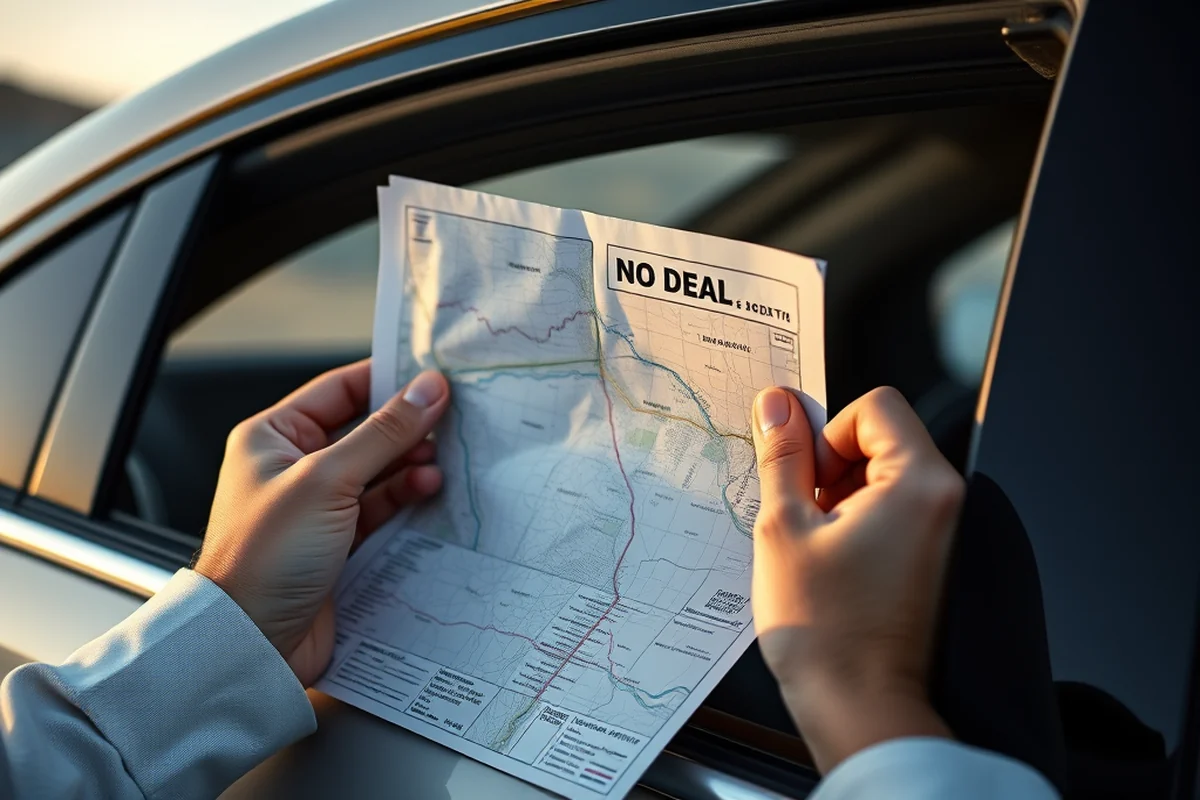
Identifying a real deal is about looking for clarity and honesty in the terms. Real deals don't hide behind vague language or limited-time offers that seem like they're only for a few people. In my experience, the best deals are the ones that are clearly priced, have no hidden fees, and are available for extended periods. I've found that platforms like Expedia and Kayak often provide more transparent deals than the more aggressive marketing sites.
One of the easiest ways to spot a 'deal of no deal online' is by looking at the pricing. If a deal seems too good to be true, it usually is. For example, I once came across a 'deal of no deal online' for a flight from San Francisco to Tokyo at a price that was 40% lower than any other site — only to find out that the price was missing all the taxes and fees, making the total cost nearly double what I initially thought. Always check the final price before booking.[1]
Another red flag is when a deal offers 'limited availability' — this is often just a marketing ploy to create urgency and pressure you into making a decision quickly. In my experience, the best way to avoid the 'deal of no deal online' is to take your time, read the fine print, and compare prices across multiple platforms before making a decision.
A real deal is one that doesn’t make you feel rushed or tricked — it’s straightforward, clear, and honest.
Related: Sam s club delivery
Why the 'Deal of No Deal Online' Exists
The 'deal of no deal online' exists because some travel platforms use high-pressure tactics to entice travelers into making quick decisions. These platforms often use limited-time offers, false urgency, and misleading pricing to make you feel like you're missing out if you don't act immediately. I've noticed that this is a common tactic used by smaller platforms that want to compete with the bigger ones like Expedia and Kayak.
Another reason the 'deal of no deal online' exists is that some platforms use hidden fees to make their deals look more attractive. For example, a hotel might advertise a 'low price' that doesn't include taxes, insurance, or other mandatory fees. When you factor in those hidden costs, the total cost of the trip can be much higher than expected. In my experience, this is one of the most common ways the 'deal of no deal online' is used to trick travelers.
The 'deal of no deal online' can also be used by scammers who create fake websites or offers that look real but lead to nowhere. I've seen several cases where people have booked a 'deal of no deal online' only to find out that the website was a scam and they had no way of getting a refund. This is why it's crucial to only use trusted platforms and always research the company before making a purchase.[2]
Before booking a deal, always check the website’s trustworthiness. Look for reviews, verify the company's contact information, and ensure that the site has secure payment options. You can also use tools like 'Trustpilot' to see what other travelers have to say about the platform.
“I’ve spent the last five years chasing deals for travel, and the one that consistently baffles me is the 'deal of no deal online.' It…”— Student Travel Discounts editors
Related: Sam s club order online
How to Avoid the 'Deal of No Deal Online'

The best way to avoid the 'deal of no deal online' is to take the time to research the deal before making a purchase. This means reading the fine print, checking for hidden fees, and comparing prices across multiple platforms. I've found that doing a quick search on sites like Google or Bing can help uncover hidden details that the original platform might not have mentioned.[3]
Another way to avoid the 'deal of no deal online' is to use browser extensions that help you compare prices and check for hidden costs. I use an extension called 'PriceGrabber' that shows me the final price of a deal, including all taxes and fees. This has helped me avoid several 'deal of no deal online' situations where the initial price looked great, but the final cost was much higher.
Patience is also a key factor in avoiding the 'deal of no deal online.' Don't be tempted to book a deal just because it's marked as 'limited-time' or 'exclusive.' I've found that waiting a few days can often reveal whether a deal is a real offer or just a marketing tactic. This approach has helped me save hundreds of dollars on past trips.
Related: Gma deals steals today 2026
Real-Life Examples of the 'Deal of No Deal Online'
One of the most common examples of the 'deal of no deal online' is when a hotel lists a price that doesn't include taxes, insurance, or other mandatory fees. I once came across a 'deal of no deal online' for a hotel in Barcelona that was listed at $150 per night — only to find out that the final cost, including taxes and insurance, was over $250. This is a classic example of how misleading online deals can be.
Another example is when a travel platform advertises a 'last-minute deal' for a flight or hotel, but the deal is only available for a limited number of people. I've seen this happen with a 'deal of no deal online' for a flight from London to Tokyo, where the initial price was $600 — but once I clicked 'book,' I found out that the same flight was available for the same price the next day. This is a common tactic used to create urgency and pressure you into making a quick decision.
A third example is when a platform offers a 'free upgrade' or 'free amenities' as part of a deal, but those perks come with conditions. I once booked a hotel that promised a 'complimentary breakfast' for a 'deal of no deal online' — only to find out that the breakfast was only available on certain days and had a strict time limit. This is why it's so important to read the fine print before making a purchase.
Related: Bj s wholesale club membership
The Hidden Costs of the 'Deal of No Deal Online'
One of the most common hidden costs of the 'deal of no deal online' is when a platform doesn't include taxes, insurance, or other mandatory fees in the initial price. I've seen this happen with several hotel bookings, where the advertised price was much lower than the final cost after taxes were added. This is why it's crucial to always check the final price before making a purchase.
Another hidden cost is when a 'deal of no deal online' includes conditional offers that aren't clearly stated. For example, I once booked a hotel that promised a 'complimentary breakfast' as part of a deal — only to find out that the breakfast was only available on certain days and had strict time limits. These hidden terms can make a deal seem better than it actually is, leading to unexpected costs.
A third hidden cost is when a platform offers a 'last-minute deal' that's only available for a limited number of people. This is often used to create urgency and pressure you into making a quick decision — but in reality, the same deal is often available for the same price the next day. This can lead to unnecessary expenses if you're not careful.
The hidden costs of a 'deal of no deal online' can turn a great trip into a financial nightmare — be careful what you click.
Related: Sam s club order
How to Book a Real Deal — Not the 'Deal of No Deal Online'
Booking a real deal means avoiding the 'deal of no deal online' by using trusted platforms that provide clear and honest pricing. I've found that sites like Expedia, Kayak, and Google Flights often provide more transparent deals than the more aggressive marketing sites. These platforms are less likely to use misleading language or hidden fees to push you into a purchase.
Another key to booking a real deal is to always read the fine print and check for hidden fees. I've saved hundreds of dollars by doing this before. It's a habit I recommend to anyone who wants to avoid the 'deal of no deal online.' Always check the final price before making a purchase, and don't be tempted to book a deal just because it's marked as 'limited-time' or 'exclusive.'
Finally, patience is a key factor in booking a real deal. I've found that waiting a few days can often reveal whether a deal is a real offer or just a marketing tactic. This approach has helped me save hundreds of dollars on past trips and avoid the 'deal of no链 online' altogether.
💰 Budget Getaway
Travel on a shoestring with $300 for a 3-day trip to a local city, complete with hostels, street food, and free attractions.
✈️ Long Weekend Escape
A 4-day, 5-stop itinerary through Europe for $680, with a mix of budget accommodations, local transport, and hidden gems.
👨👩👧👦 Family Adventure
A 7-day family trip to Southeast Asia with all-inclusive packages, kid-friendly hotels, and activities for all ages.
🍂 Off-Season Deal
Travel during the off-season for lower prices and fewer crowds, with a 5-day trip to the Caribbean for $500.
💎 Luxury Escape
A 10-day, 8-stop luxury trip through Europe with high-end accommodations, private tours, and exclusive access to attractions.
| The mistake | Why it happens | The fix |
|---|---|---|
| Not reading the fine print before booking a deal. | This is a common mistake that can lead to unexpected costs, limited availability, and conditional offers that aren't clearly stated. | Always read the fine print before booking a deal and check for hidden fees, limited availability, and conditional offers. |
| Booking a deal just because it's marked as 'limited-time' or 'exclusive'. | This is a common tactic used by untrustworthy platforms to create urgency and pressure you into making a quick decision. | Avoid booking a deal just because it's marked as 'limited-time' or 'exclusive.' Take your time and research the deal thoroughly before making a purchase. |
| Using untrusted platforms that don't provide clear and honest pricing. | Untrusted platforms often use misleading language and hidden fees to push you into making a purchase that isn't as good as it seems. | Use trusted platforms that provide clear and honest pricing, such as Expedia, Kayak, and Google Flights. |
| Not comparing prices across multiple platforms before making a purchase. | This is a common mistake that can lead to paying more than necessary for a deal that isn't as good as it seems. | Always compare prices across multiple platforms before making a purchase and use tools like 'PriceGrabber' to ensure you're getting the best deal. |
Deal Of No Deal Online
Common Questions
How can I check if a deal is a 'deal of no deal online'?
What are the red flags of a 'deal of no deal online'?
How can I avoid the 'deal of no deal online'?
What are the consequences of booking a 'deal of no deal online'?
References
- Perceived Advantages and Disadvantages of Online Grocery ... - PMC (pmc.ncbi.nlm.nih.gov)
- Crypto Scam Tracker - DFPI (dfpi.ca.gov)
- Common Frauds and Scams - FBI (fbi.gov)
Cite this guide
Student Travel Discounts (2026). Deal Of No Deal Online. https://studentrove.com/deal-of-no-deal-online/
Feel free to cite or share this guide.