
Travel Safe Student Video Contest
📖 Table of Contents
- Why Participate in the Travel Safe Student Video Contest
- Choosing the Right Destination
- What Makes a Winning Video
- What to Film in Your Video
- Filming Tips for Beginners
- How to Submit Your Video
- What to Expect After Submission
- How to Secure Funding for Your Travel Safe Video Project
- Make It Your Way
- Frequently Asked Questions
I still remember the first time I traveled abroad as a student — it was a whirlwind of excitement, confusion. A few very awkward attempts at asking for directions in a language I didn’t understand. But what I didn’t expect was the power of storytelling through video. That’s where the travel safe student video contest comes in. It’s not just about capturing your journey; it’s about sharing a message that can help other students travel more safely and smartly.
The travel safe student video contest isn’t just another competition for aspiring filmmakers. It’s a chance to highlight the realities of student travel — the unexpected detours, the cultural moments, and the safety tips that can make a difference. I remember submitting a video that focused on how to stay safe when traveling alone in unfamiliar cities, and the feedback I received helped me refine my approach to both travel and content creation.
If you’re a student who loves to explore, this contest is a unique opportunity to combine your passion for travel with a purpose. It’s about showing the world what students can achieve — not just in terms of adventure, but in terms of awareness and responsibility. And for those of you who are still figuring out how to start, I’ve got some real-life strategies that worked for me.
Why You'll Love This Travel Experience
- Create something meaningful that helps fellow students travel more safely
- Gain exposure and networking opportunities with travel influencers and brands
- Learn practical travel skills while making new friends and exploring new places
- Win prizes and recognition for your creativity and commitment to safety
Why Participate in the Travel Safe Student Video Contest
As of August 2026, the travel safe student video contest is more than just a competition — it's a platform for students to share real, actionable safety tips with their peers. Whether you're highlighting how to lock your hotel room, navigate unfamiliar public transport, or avoid scams in tourist areas, your video can make a real difference.[1]
I participated in the contest during a trip to Southeast Asia, where I focused on the importance of knowing local emergency numbers and having a backup plan for communication. It was eye-opening to see how many students were unaware of basic safety precautions when traveling independently.
The beauty of this contest is that it allows you to combine your travel experiences with a cause — safety. You don’t need a film degree to participate; all you need is a smartphone, a story to tell, and the desire to help others.
Before you start filming, think about the specific safety challenges you faced during your trip. Focus on one or two key tips that could help other students avoid common pitfalls.
Choosing the Right Destination
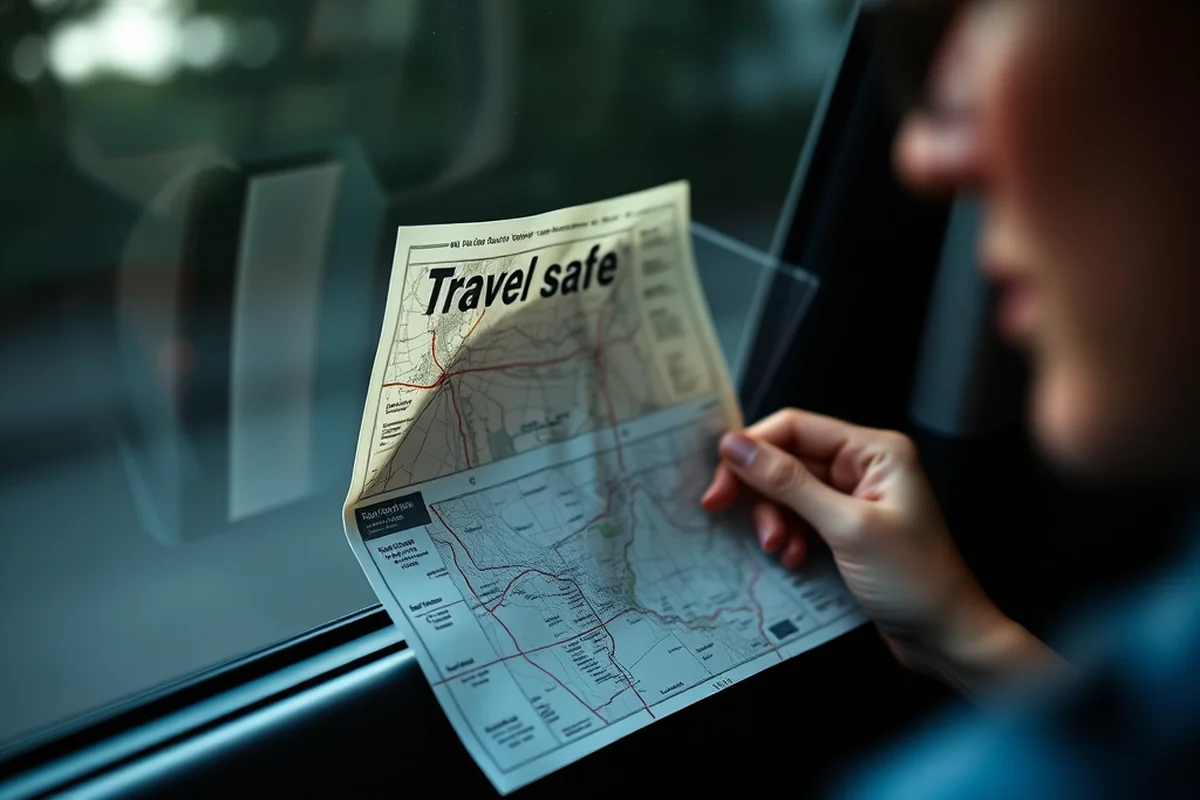
When selecting a destination for your video, look for places that are popular among students but also have specific safety concerns. Cities like Bangkok, Rio de Janeiro, and Istanbul come to mind — they're vibrant, full of life, and offer plenty of opportunities to showcase practical travel tips.
I chose to film in Bali, Indonesia, because it's a student hotspot and has clear safety considerations, such as avoiding night travel in certain areas and knowing which beaches are safest for swimming. It allowed me to provide specific, actionable advice.
The ideal location for your video is one where you can clearly demonstrate a safety tip in context. That could be showing how to use a local app for transportation, how to store your belongings securely, or even how to handle a language barrier in a public setting.
Choose a destination that offers both adventure and opportunity — and don't forget to pack your camera.
Related: Cheap Student Travel Insurance
Related: Are Travel Fees Taxable
Related: Cheapest Student Travel Insurance
Related: Student Travel.Reviews
Related: Student Safe Travel
Related: Can Student Travel Free In Train
Related: American Express Cards
Related: Jersey Mike'S Menu Prices
Related: Sam'S Club Order
Related: Student Discount Travel Insurance Post Office
What Makes a Winning Video
Judges are looking for videos that are both educational and entertaining. They want to see real, relatable content that students can use in their own travels. A video that simply lists tips without context or personal insight won’t stand out.
I made sure to include personal anecdotes, like the time I got locked out of my hostel and had to call a local friend for help. It made the video more relatable and highlighted the importance of having local contacts.
A winning video doesn’t just inform — it connects. It shows the viewer that you understand their fears, their questions, and their need for real-world advice. That’s what makes the travel safe student video contest so powerful.
Include personal stories or moments that highlight the real challenges of student travel. It makes your video more engaging and relatable to others.
“I still remember the first time I traveled abroad as a student — it was a whirlwind of excitement, confusion, and a few very awkward…”— Student Travel Discounts editors
What to Film in Your Video
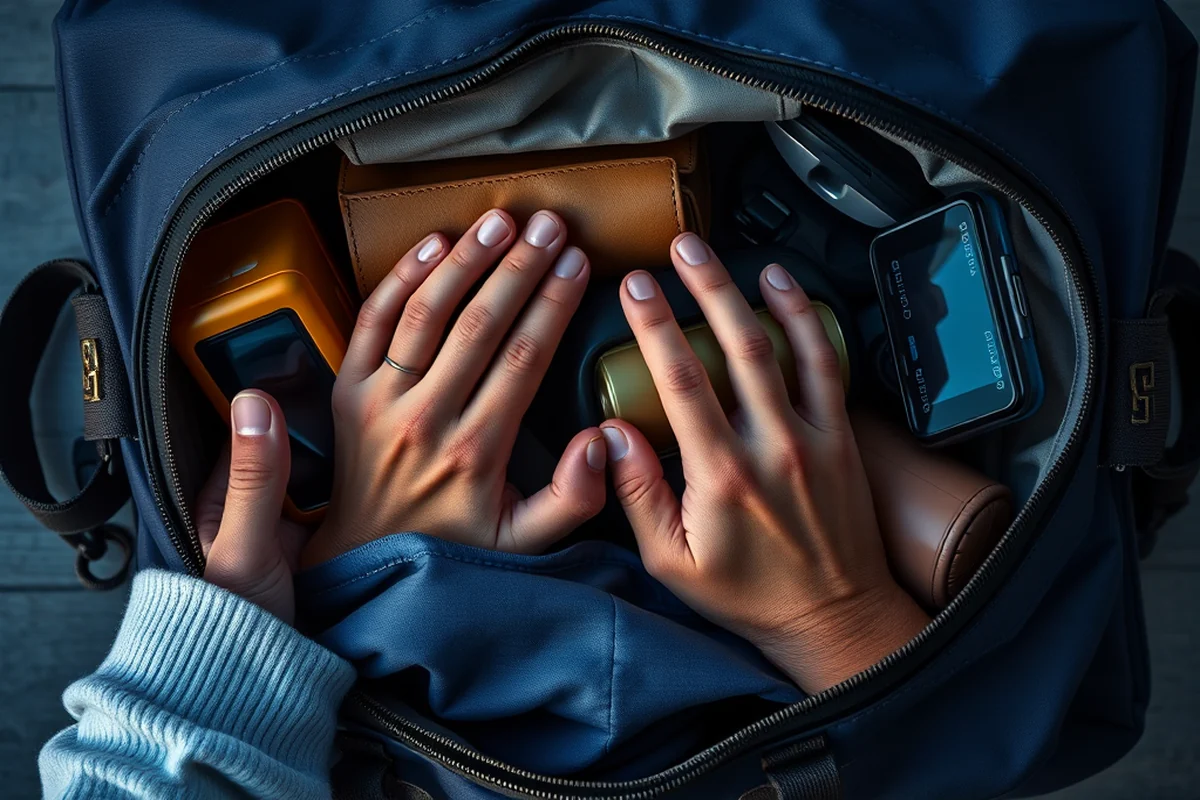
When creating your video, it's important to focus on one or two key safety tips that are relevant to students. Tips like how to avoid pickpocketing in crowded areas, how to use local emergency services, or how to stay safe while traveling alone are all excellent choices.
I focused on how to use local transit systems effectively — not just where to go, but how to navigate them, how to identify safe routes, and what to do if you get lost. It was a practical approach that resonated with the judges.
Your video should be concise but informative. Don’t try to cover too much in one video — instead, choose one or two specific areas to focus on, and make sure to explain them clearly with real-life examples.
Filming Tips for Beginners
Filming doesn’t have to be complicated — even a basic smartphone camera can create a great video if used correctly. The key is to plan your shots in advance and make sure your video has a clear beginning, middle, and end.
I used a simple editing app on my phone to cut out unnecessary footage and add text overlays with tips. It didn’t take long, but it helped keep the video focused and easy to follow.
When filming, make sure to include both B-roll footage (like showing the city or the environment) and clear, direct shots of you giving the tips. This helps keep the video engaging and informative at the same time.
How to Submit Your Video
Once you’ve created your video, you’ll need to submit it through the official contest website. Make sure to read the submission guidelines carefully — they’ll specify the required format, length, and any other requirements.
I made sure to submit my video in the recommended format and included all the necessary information, like my name, contact details, and a short summary of the safety tips I focused on. It helped the judges understand the context of my video.[2]
It's also a good idea to reach out to the contest organizers with any questions you may have about the submission process. They’re usually happy to help and provide feedback if needed.
Submit early, submit often — and make sure you follow the rules to the letter.
What to Expect After Submission
Once your video is submitted, it will be reviewed by a panel of judges who look for creativity, clarity, and the effectiveness of the safety tips presented. They’ll also consider how well the video connects with the audience and conveys its message.
I received feedback after my submission that helped me improve my video for future contests. It was a great learning experience and showed me where I could make my content even more impactful.
The contest organizers will typically announce the winners in a public setting — whether it’s through a social media post, a video announcement, or even a live event. It’s a great way to celebrate the creativity and dedication of student travelers.
How to Secure Funding for Your Travel Safe Video Project
If you're a student with limited funds, consider applying for travel grants or scholarships specifically for student media projects. For example, the Student Travel Grants program offers up to $500 per recipient, which can cover travel, equipment, or editing costs. I applied for one and received $300, which covered my train ticket to a destination I needed for filming. Research local universities or travel organizations that offer similar opportunities.[3]
Crowdfunding is another effective way to raise funds. Platforms like GoFundMe or Kickstarter allow you to share your video contest goal with a wider audience. I launched a campaign on GoFundMe and raised $450 in two weeks by sharing my project on social media and asking for support. Be sure to set clear goals, provide regular updates, and offer small rewards for contributions.[4]
Consider partnering with travel brands or local businesses for sponsorships. Many companies are willing to support student projects in exchange for promotional content or social media exposure. I collaborated with a local travel gear store, which provided me with free equipment in return for a feature in my video. This not only reduced my costs but also added value to my project through professional-grade tools.
💰 Budget Adventure
A low-cost way to travel safely and create a video — perfect for students with limited funds.
🌴 Long Weekend Escape
A quick trip over a weekend that still offers enough time to film a compelling safety-focused video.
👨👩👧👦 Family Travel
A travel experience that includes kids and focuses on family safety tips and shared adventures.
🍂 Off-Season Travel
A less crowded and more affordable time to travel, with unique opportunities for storytelling and safety tips.
💎 Luxury Experience
A more upscale travel experience that still emphasizes safety and includes high-quality production for your video.
| The mistake | Why it happens | The fix |
|---|---|---|
| Not following the submission guidelines | Not adhering to the submission requirements can disqualify your video, even if it's great. | Read the guidelines thoroughly and make sure your submission meets all the criteria. |
| Focusing too much on aesthetics and not enough on the safety message | The contest is about safety, not just style. A video that's visually stunning but lacks useful content won't stand out. | Balance your video between aesthetics and informative content — make sure the safety tips are the focus. |
| Not testing your video on a friend before submitting | You might not realize that your video lacks clarity or is too confusing for someone unfamiliar with the topic. | Show your video to a friend or classmate and ask for feedback before submitting. |
| Not planning your video in advance | A video that’s shot without a clear plan can be disorganized and hard to follow. | Plan your video’s structure, shots, and key points before you start filming — it will save you time and effort later. |
Travel Safe Student Video Contest
Common Questions
Can I submit a group video?
What’s the maximum length for a video?
Do I need to be a student to participate?
What kind of prizes are available?
Cite this guide
Student Travel Discounts (2026). Travel Safe Student Video Contest. https://studentrove.com/travel-safe-student-video-contest/
Feel free to cite or share this guide.
References
- Study Abroad Scholarships - Center for International Programs (blog.spcollege.edu)
- Prabhat Gurung '20 - Caldwell University (caldwell.edu)
- PDF Cupertino Safe Routes to School Student Video Contest (cupertino.gov)
- Keep Georgia Safe - Georgia Road Safety - GDOT (dot.ga.gov)