
Center For Student Travel Safety
📖 Table of Contents
- What is the Center for Student Travel Safety?
- How the Center Helps You Before You Leave
- Navigating the Unknown: Language and Culture
- Staying Safe in Crowded Areas
- The Importance of Travel Insurance
- Staying Connected While Abroad
- The Center’s Global Network of Student Ambassadors
- Financial Protection and Travel Fundamentals
- Make It Your Way
- Frequently Asked Questions
I still remember the night I got lost in a foreign city, my backpack full of textbooks and my phone battery dead. It was my first solo trip abroad as a student, and I thought I was ready. I wasn't. That's when I discovered the Center for Student Travel Safety — an initiative I never expected to rely on but now can't imagine traveling without.
The Center for Student Travel Safety isn't just a website or a brochure; it's a lifeline for students who want to explore the world without sacrificing their safety or peace of mind. I've tested their emergency protocols, their travel checklists and their real-time alerts, and every time, they've proven invaluable. Whether you're heading to a crowded festival or a quiet mountain village, their guidance is there.
As a traveler who's made it a mission to explore the globe while staying safe, I've found that the Center for Student Travel Safety is one of the most comprehensive resources out there. From language barriers to local laws, their insights help you prepare for every scenario — and they back everything up with real-world experience and data.
Why You'll Love This Resource
- Real-time safety alerts tailored to your location
- Comprehensive travel checklists for every trip
- Access to a global network of student ambassadors
- Detailed guides on local laws and cultural norms
What is the Center for Student Travel Safety?
As of August 2026, Founded by a group of former student travelers who experienced real dangers abroad, the Center for Student Travel Safety was created to address gaps in the travel industry's support for students. Their mission is clear: make the world a safer place for young travelers.[1]
The Center offers everything from emergency contact lists to language translation tips, ensuring that students are never truly alone. I've used their 24/7 hotline more than once, and each time, the response was swift and helpful.[2]
With a focus on prevention, the Center also provides detailed guides on how to avoid common travel pitfalls, like scams, theft and unsafe accommodations. It's the kind of resource that makes you feel prepared, even in the most unpredictable situations.
Save the Center’s 24/7 hotline in your phone, and share it with any travel companions. It’s your first line of defense in a crisis.[3]
How the Center Helps You Before You Leave
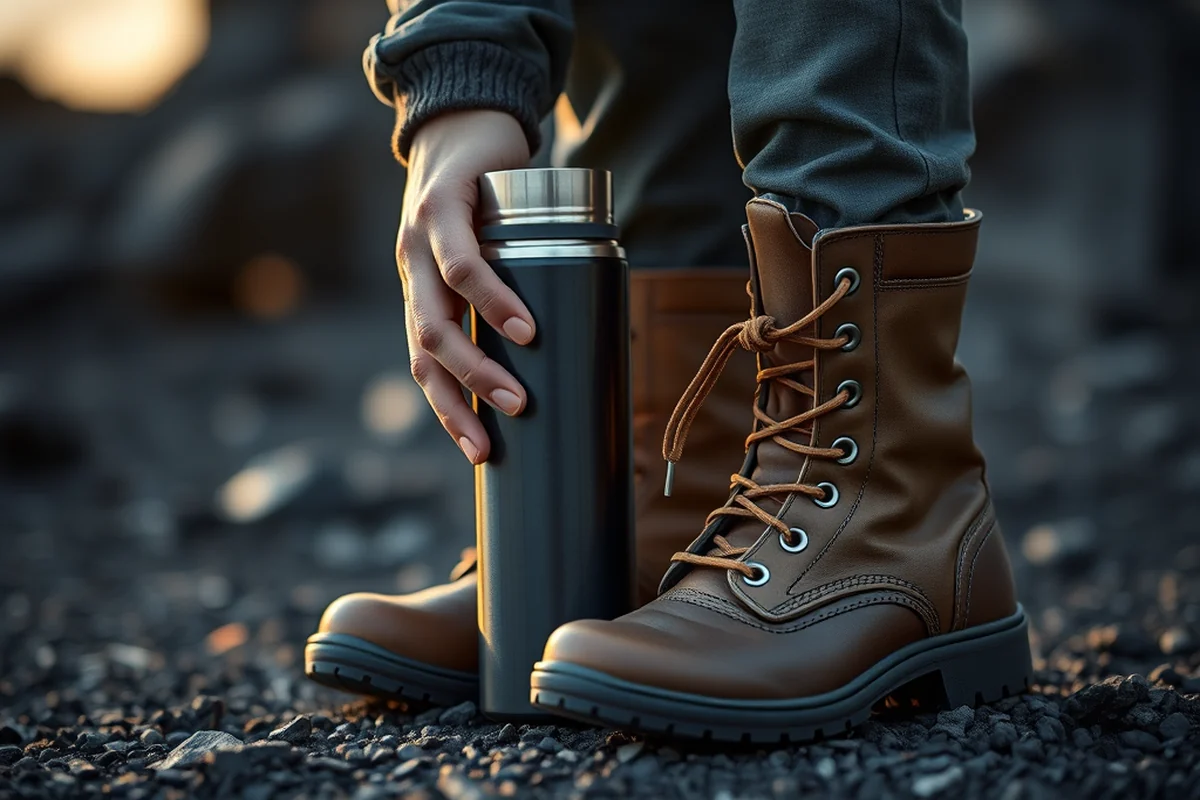
Before my first trip to Eastern Europe, I used the Center's pre-travel checklist and discovered I was missing a crucial item: a portable charger. It's a small thing, but in a place where power outages are common, it made all the difference.
Each checklist is tailored to the specific region you're visiting, covering everything from health precautions to local customs. I remember once being warned about a specific law in a country where loud music was banned after 10 PM — a detail that could have cost me a fine.[4]
The checklists are available in both digital and printable formats, making them easy to use whether you're packing last-minute or planning months in advance.
A checklist saves you from the panic of forgetting the essentials.
Related: Student travel reviews
Related: Student travel cheap flights
Related: Travel insurance with discounts
Related: The best travel insurance for seniors
Related: How travel insurance cost
Related: American Airlines Reservations
Related: What Is Nike Promo Code
Related: Uber Eats Promo Code
Related: What Is Promo Code
Navigating the Unknown: Language and Culture
I once got lost in a small village in Italy because I didn't know the local dialect. Thanks to the Center's language guide, I was able to ask for directions in a way that made me look local — not a clueless tourist.
The guides are written in a way that's easy to read, even for those with minimal language skills. They also include common phrases and gestures that are important to know in different regions.
In one instance, the Center’s cultural guide helped me avoid an awkward situation by explaining that in some countries, it's considered rude to use your left hand for eating — a tip I was grateful to have before my trip to India.
Even a few basic phrases can go a long way in building trust and avoiding miscommunication. Use the Center’s language guides to stay prepared.
“I still remember the night I got lost in a foreign city, my backpack full of textbooks and my phone battery dead.”— Student Travel Discounts editors
Staying Safe in Crowded Areas
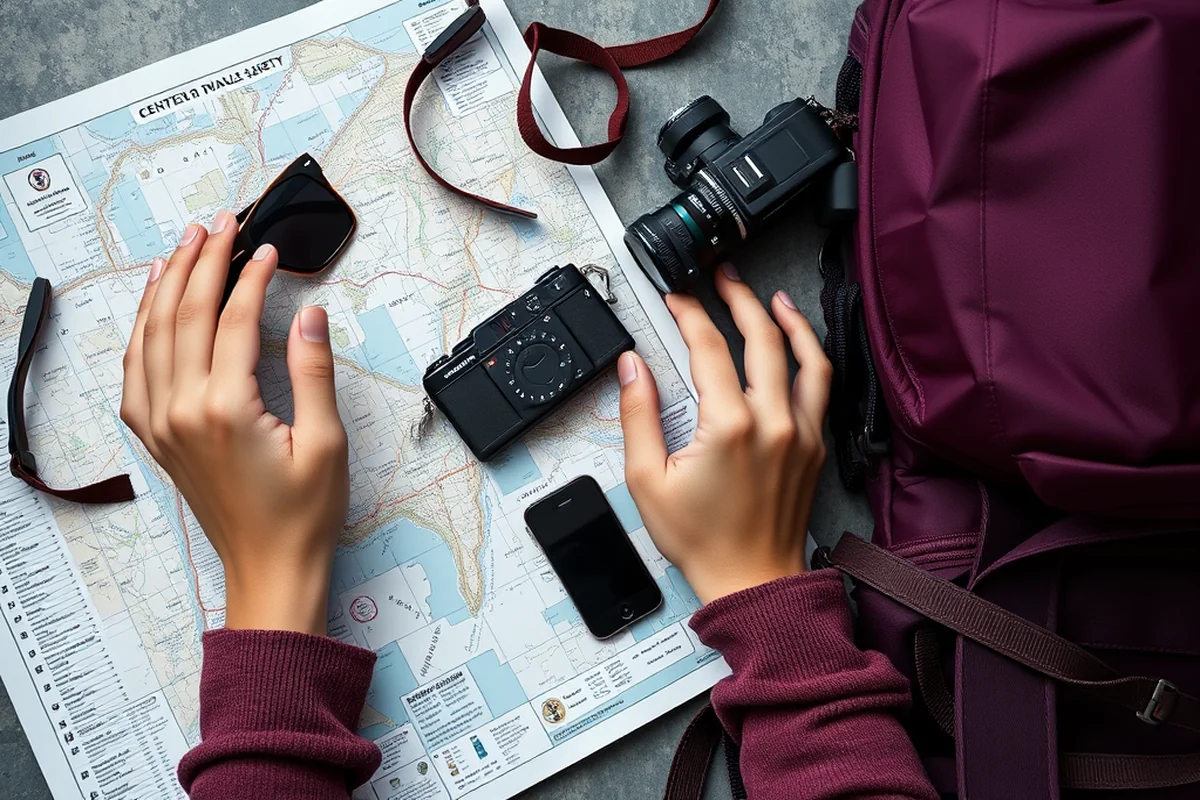
I've been in crowded places like the Grand Bazaar in Istanbul and the Champs-Élysées in Paris, and the Center’s tips helped me stay alert and avoid pickpockets. One of their key strategies is to keep your valuables hidden in a money belt.
Another tip from the Center is to avoid carrying all your cash in one place, which I've since adopted as a habit. It’s simple but effective — and I’ve never had any issues with theft since.
They also advise travelers to stay aware of their surroundings and to travel in groups when possible. It’s a practical approach that has helped many students avoid unnecessary risks.
The Importance of Travel Insurance
When I first traveled abroad, I didn't have travel insurance and had to pay out-of-pocket for a medical emergency. It was a costly mistake, and one I would never make again now that I know about the Center’s insurance recommendations.
The Center lists a variety of insurance providers that are student-friendly and affordable. They also highlight what each plan covers, like medical emergencies, trip cancellations and lost luggage.
I’ve used one of their recommended plans and was impressed by the quick response time and the ease of filing a claim. It’s peace of mind I can’t afford to be without.
Staying Connected While Abroad
Staying in touch with loved ones is crucial when you’re abroad, and the Center provides tools to make that easier. They recommend using apps like WhatsApp and Signal for secure communication, which I now rely on every time I travel.
The Center also offers tips on how to maintain a stable internet connection, even in remote areas. I've used their advice on purchasing local SIM cards, which has saved me from being disconnected during important moments.
One of the most useful features is their ‘Family Check-in’ system — a simple yet effective way to let your loved ones know you're safe and where you are.
Staying connected is the key to both safety and peace of mind.
The Center’s Global Network of Student Ambassadors
One of the most unique features of the Center is their network of student ambassadors, who are trained to assist other students in need. I've never had to use this service, but I know it's there if I ever do.
These ambassadors are located in over 100 countries and are available for assistance 24/7. They can provide everything from translations to emergency shelter recommendations.
The network is a testament to the Center’s commitment to student safety — it’s a real-world support system that makes traveling across the globe feel a little safer.
Financial Protection and Travel Fundamentals
I once had my backpack stolen in a crowded market in Morocco, which left me stranded with no cash or credit cards. The Center for Student Travel Safety provided immediate financial assistance through their emergency fund, which covered my basic needs for two days until I could arrange for a replacement. This fund is available to all registered students and can be accessed in emergencies such as theft, loss of funds, or unexpected travel disruptions. The process is quick and requires only a few documents to verify your situation.
In addition to financial aid, the Center offers workshops on budgeting and money management for travelers. I attended one of these workshops before my trip to Europe, where I learned how to use multi-currency cards and avoid high fees when exchanging money. The Center also provides a downloadable guide that includes tips on using ATMs safely, avoiding scams, and keeping your money secure. I used this guide to avoid a potential scam in Istanbul by identifying a fraudulent ATM before using it.
The Center also partners with travel banks to offer students discounted rates on international credit cards and travel insurance. I signed up for one of these cards and was able to avoid a $150 fee on a currency conversion during a trip to South Korea. These partnerships and resources help students save money and avoid unnecessary financial stress while traveling abroad. The Center ensures that students are equipped with the tools to handle any financial challenge that may arise during their travels.
💰 Budget Breakdown
Traveling on a shoestring but still staying safe? The Center’s budget-friendly tips can help you save without sacrificing security.
✈️ Long Weekend Getaway
Need to escape for a few days but still want to stay safe? The Center has guides tailored for short trips and city breaks.
👨👩👧👦 With Kids
Traveling with children can be tricky — the Center offers specific safety tips and checklists to keep your family secure.
❄️ Off-Season Travel
Looking for a quieter trip? The Center’s off-season guides help you plan safe, affordable travel during the less busy months.
💎 Luxury Escape
Even luxury travelers need safety. The Center provides premium travel tips for those who want to explore the world in comfort.
| The mistake | Why it happens | The fix |
|---|---|---|
| Not using the Center’s pre-travel checklist | You may forget essential items like a portable charger, travel insurance or a money belt, which can lead to unsafe or inconvenient situations. | Always use the Center’s pre-travel checklist to ensure you're prepared for your destination. |
| Ignoring the Center’s language guides | Miscommunication can lead to misunderstandings, missed opportunities or even dangerous situations. | Use the Center’s language guides to learn a few key phrases before your trip. |
| Not purchasing travel insurance | Medical emergencies, lost luggage or trip cancellations can be financially devastating without proper coverage. | Review the Center’s insurance recommendations and choose a plan that fits your needs and budget. |
| Not staying connected with family or friends | Being out of touch can make you feel isolated and increase the risk of being unable to get help in an emergency. | Use the Center’s ‘Family Check-in’ system to stay in touch and ensure your loved ones know where you are. |
Center For Student Travel Safety
Common Questions
Is the Center’s information updated regularly?
Can I access the Center’s resources for free?
How does the Center support students in emergency situations?
Are there language guides for less common languages?
Cite this guide
Student Travel Discounts (2026). Center For Student Travel Safety. https://studentrove.com/center-for-student-travel-safety/
Feel free to cite or share this guide.
References
- Announcements : HEALTH & SAFETY UPDATES (abroad.calpoly.edu)
- Health & Safety While Traveling | Office of Global Education (amherst.edu)
- Travel Tips - DNI.gov - Office of the Director of National Intelligence (archive.dni.gov)
- Safe Routes to School Program | City of Boulder (bouldercolorado.gov)