
Student Travel Checklist
📖 Table of Contents
I remember standing at the airport counter, passport in hand, heart racing, trying to remember if I had packed my student ID. It was my first solo trip, and the chaos of last-minute packing had left me questioning everything. A student travel checklist would have saved me hours of stress and confusion, and that's exactly why I want to share one with you.
Student travel is a unique blend of adventure and responsibility. You’re not just exploring a new destination—you’re managing budgets, staying on top of deadlines, and proving to yourself that you can handle the world. A checklist isn’t just a to-do list; it's your lifeline to a stress-free, well-prepared journey.
The best student trips are the ones where you're not just surviving the logistics, but actually enjoying the experience. A well-structured student travel checklist ensures that you're ready for every moment, from booking flights to packing the perfect suitcase. It’s more than just a list—it's your secret weapon for a memorable trip.
Why You'll Love This Student Travel Checklist
- Avoid last-minute panic with a clear, organized plan
- Save money by booking smarter and packing efficiently
- Stay on top of deadlines and responsibilities while traveling
- Ensure a smoother, more enjoyable experience from start to finish
Packing for the Journey
As of August 2026, when I first traveled alone, I packed too much and ended up carrying a suitcase the size of a small car. Now, I stick to a minimalist approach, focusing on versatile clothing and essential items. This not only makes travel easier but also saves money on luggage fees.[1]
Invest in a lightweight, durable suitcase or backpack. A rolling suitcase is ideal for city trips, while a backpack is better for hiking or traveling in multiple locations. Always make sure to check the airline's baggage size and weight limits before packing.
Don’t forget to pack a first-aid kit, travel insurance documents, and copies of your passport. I once left my travel insurance at home and ended up paying out-of-pocket for a minor medical emergency. A small investment in preparedness can save you big headaches later.
Try the 70-30 rule: 70% of your luggage should be for the destination, and 30% should be for your return trip. This keeps you flexible and prevents overpacking.[2]
Choosing the Right Destination
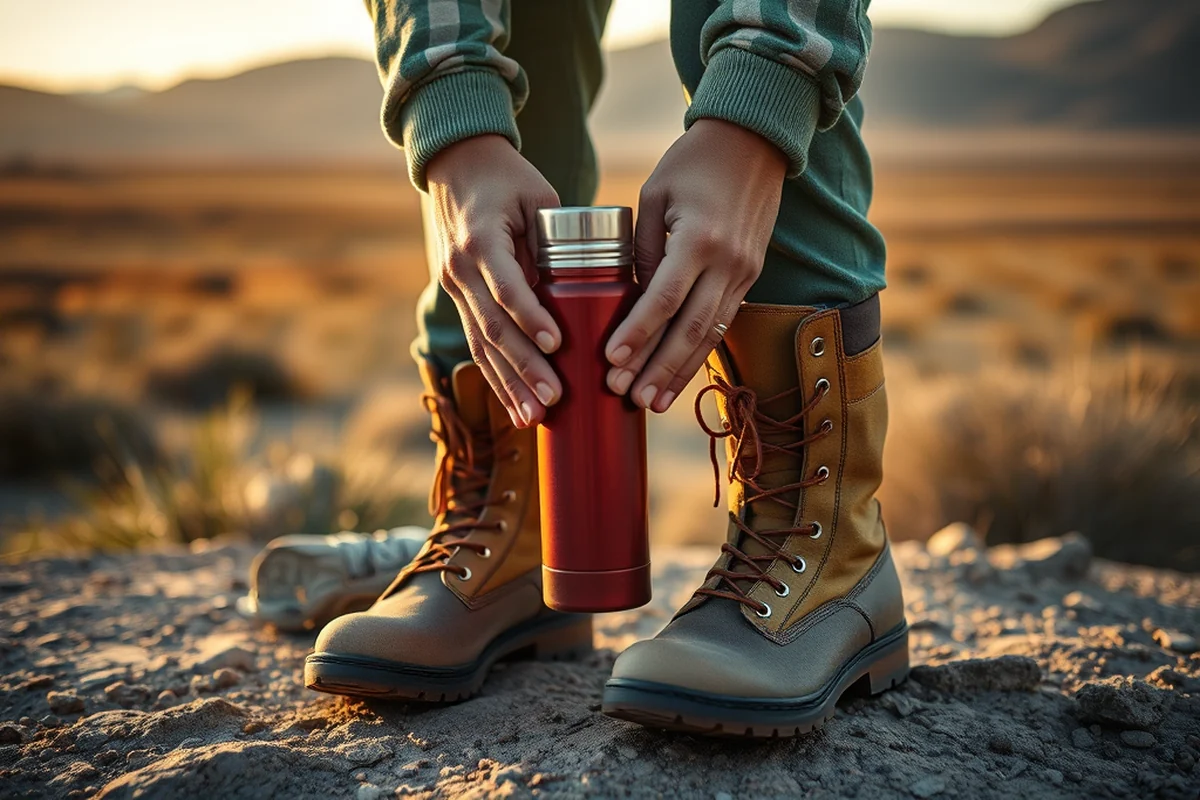
I once traveled to a city that was far too expensive for my budget, and I ended up staying in a hostel for the entire trip just to afford the flights. Research the cost of living, average prices for food and accommodation, and the overall student-friendliness of the destination before booking.[3]
Consider the climate, safety, and language barriers of your chosen destination. A trip to a tropical beach might be perfect for some, but not ideal for others if you're not a fan of heat or sunburn.
Also think about the travel time. A trip to Europe in the winter might mean shorter days and fewer outdoor activities, while a summer trip could offer longer hours of daylight and more options for exploration.
Choose a destination that aligns with your interests and budget—your trip will be so much more enjoyable.
Related: Student travel reviews
Related: Student safe travel
Related: Student travel cheap flights
Related: Travel insurance with discounts
Related: Student Apartment Tour
Related: What Is Student Travel Insurance
Related: Affordable Flights To Japan
Related: Can Student Travel Free In Train
Related: Www.Samsclubcredit.Com Pay Bill
Related: How Is Claude Code Pricing
Related: The Cost Of Powerball Ticket
Related: How Is Discount Power
Related: What Is American Airlines Flight Credit
Related: Smart Traveler Enrollment Program
Budgeting for the Trip
My first trip was a disaster because I didn’t budget properly. I overspent on flights and hotels, leaving me with little to spend on food or activities. Now, I break down my trip into categories like accommodation, meals, transportation, and entertainment.
Use budgeting apps or even a simple spreadsheet to track your spending. Set a daily budget and stick to it. For example, if your daily budget is $50, make sure you don’t exceed that in any category.[4]
Look for student discounts and travel deals. I’ve saved up to 30% on flights and hotels just by using my student ID. Always research and plan ahead to make the most of your money.
Apps like Trail Wallet and Splitwise help you track your spending in real time and split costs with travel partners. I’ve used them multiple times and they’ve made budgeting so much easier.
“I remember standing at the airport counter, passport in hand, heart racing, trying to remember if I had packed my student ID.”— Student Travel Discounts editors
Related: Student Discount Travel Insurance Post Office
Booking Flights and Accommodation
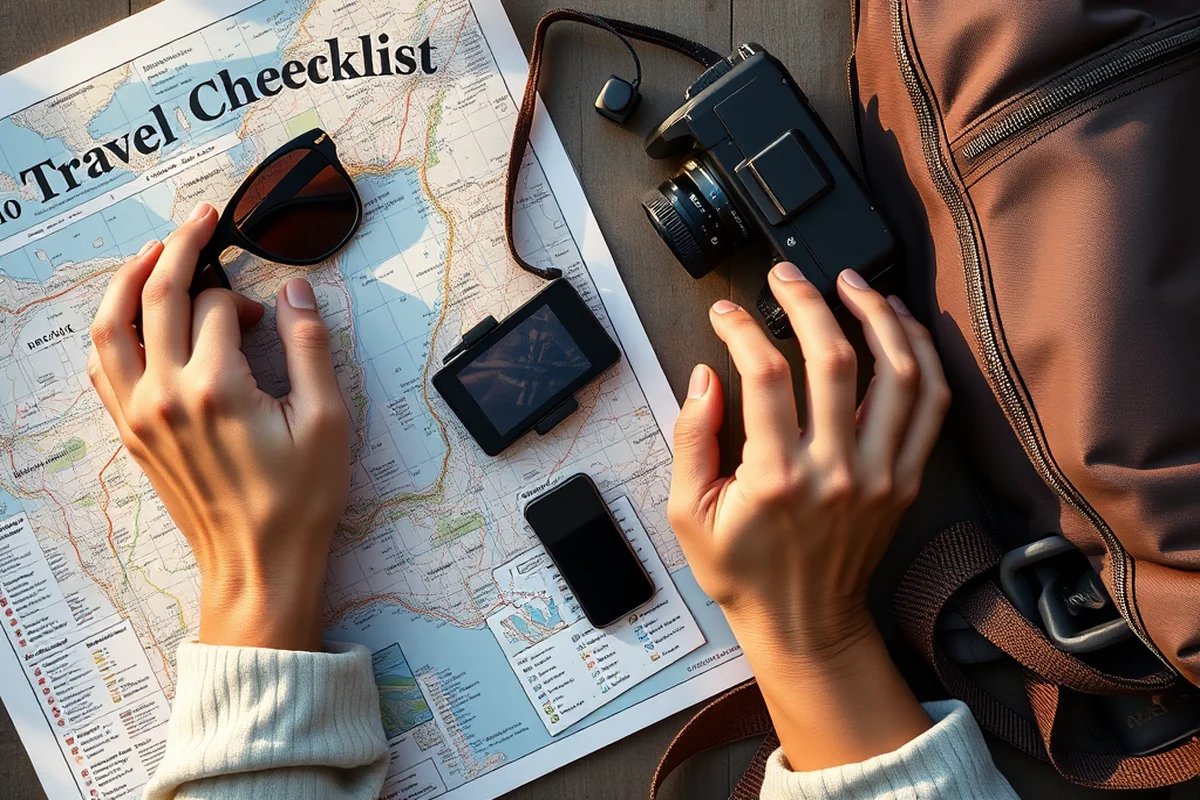
I used to book my flights last minute, which always ended up being more expensive. Now, I use fare comparison sites and sign up for airline newsletters to get early bird deals. For example, I once booked a flight to Lisbon for $300 because I signed up for a fare alert.
For accommodation, hostels are a great option for budget travelers. I stayed in hostels in several cities and found the community aspect to be both fun and affordable. Just make sure to read reviews and check the safety of the location.
Consider booking a multi-city trip if you want to explore more places. I did a 6-stop trip across Europe and it was one of the most rewarding experiences of my life.
Staying Safe and Healthy
I’ve learned the hard way that not having travel insurance can be costly. I once had to pay out-of-pocket for an unexpected medical bill because I didn’t have coverage. Always make sure to have travel insurance that covers medical emergencies, cancellations, and trip interruptions.
Carry a copy of your passport and important documents with you at all times. I keep mine in a waterproof, lockable pouch and also store digital copies on my phone. This way, I’m prepared for any situation.
Stay healthy by eating well, staying hydrated, and washing your hands. I always carry hand sanitizer and avoid eating street food that looks questionable. It’s better to be safe than sorry.
Making the Most of Your Time
I used to try to do too much in a short time and ended up exhausted. Now, I plan my days with a balance of sightseeing, rest, and fun. It’s important to give yourself time to recover and enjoy the destination.
Use travel apps to plan your itinerary and find the best local experiences. I’ve used apps like Citymapper and Google Maps to navigate cities and discover hidden gems that aren’t in the guidebooks.
Don’t be afraid to explore off the beaten path. I once took a local bus to a nearby village and had the most incredible experience. Sometimes the best memories come from the unexpected.
Travel with purpose, but leave room for spontaneity and serendipity.
Returning Home and Reflecting
I used to forget about the lessons I learned while traveling until I took time to reflect. Now, I keep a travel journal and take photos to remember the experiences. It helps me understand what worked and what didn’t.
Share your experiences with friends and family. I’ve found that recounting my trips helps me process the memories and also inspires others to travel. It’s a great way to stay connected and share your journey.
Apply what you learned to future trips. Every journey teaches something new, whether it's about budgeting, packing, or navigating unfamiliar places. I’ve improved my planning skills with each trip I take.
Cultural Sensitivity and Immersion Tips
Being culturally sensitive is essential for a smooth and enriching travel experience. In countries like Japan, where etiquette is deeply ingrained, bowing when greeting someone or removing your shoes before entering a home are small but important gestures. During my visit, I was invited to a traditional tea ceremony, and my host appreciated my effort to follow the customs, which made the experience more meaningful. Researching basic phrases in the local language can also go a long way—simple greetings like “konnichiwa” in Japanese or “bonjour” in French show respect and can open doors to deeper interactions.
Immerse yourself in local traditions by attending festivals, visiting cultural sites, or participating in workshops. In Mexico, I attended a Day of the Dead celebration and learned about the significance of marigolds and altars, which gave me a deeper appreciation for the culture. Always ask for permission before taking photos of people or sacred sites. In some regions, like parts of the Middle East, it’s considered disrespectful to photograph religious ceremonies without consent. Being mindful of dress codes is also important—wearing modest clothing in religious sites can prevent unwanted attention or even fines.
Engaging with locals through homestays, language exchanges, or volunteer opportunities can provide unique insights. I stayed with a family in Morocco and learned about their daily routines and traditions, which I wouldn’t have experienced otherwise. In some countries, like Thailand, offering a small gift like a flower or candy when visiting someone’s home is customary. By showing genuine interest and respect, you can build lasting connections and make your trip more memorable.
🧳 Budget Adventure
Travel on a shoestring with hostels, local transport, and free walking tours.
✈️ Long Weekend Getaway
Perfect for a quick escape with a mix of relaxation and exploration.
👨👩👧👦 Family Travel
Ideal for families with kids, focusing on kid-friendly activities and accommodations.
🍂 Off-Season Travel
Take advantage of lower prices and fewer crowds during the off-peak season.
💎 Luxury Student Trip
Experience high-end travel with student discounts on flights and hotels.
| The mistake | Why it happens | The fix |
|---|---|---|
| Not packing travel documents | Losing your passport or travel insurance can lead to major problems and even force you to return home. | Always carry physical copies of your passport and insurance documents, and store digital copies on your phone. |
| Overpacking | Carrying too much luggage can lead to extra costs, difficulty moving around, and unnecessary stress. | Use the 70-30 rule and stick to a minimalist approach to packing. |
| Not budgeting properly | Overspending on flights and hotels can leave you with little money for food and activities. | Track your spending using budgeting apps and set a daily budget for your trip. |
| Traveling without insurance | Unexpected medical costs can be expensive and leave you in a difficult situation. | Always have travel insurance that covers medical emergencies, cancellations, and trip interruptions. |
Student Travel Checklist
Common Questions
How can I save money on flights as a student?
What should I pack in my suitcase for a student trip?
What’s the best way to stay safe while traveling?
How do I choose the right destination?
Cite this guide
Student Travel Discounts (2026). Student Travel Checklist. https://studentrove.com/student-travel-checklist/
Feel free to cite or share this guide.