
Student Safe Travel
📖 Table of Contents
I remember my first time traveling alone as a student — the excitement, the nerves, the feeling of being completely in charge of my own adventure. It was in a small European city, and though it was exhilarating, I quickly realized how important it was to be prepared for the unexpected. Safety was on my mind constantly, from the moment I boarded the bus to the time I stepped into a local market. That experience taught me that student safe travel isn’t just about having fun; it’s about knowing how to stay secure, informed, and ready for anything.[4]
Student safe travel means more than just getting from point A to point B. It means understanding your environment, knowing how to protect yourself from scams, and being equipped with the tools to navigate unfamiliar places with confidence. I’ve traveled to over 20 countries as a student, and one thing I’ve learned is that the difference between a great trip and a dangerous one often comes down to preparation. Whether it’s keeping your passport in a secure spot or knowing the local emergency numbers, small steps can make a big difference.[1]
My goal with this article is to give you the tools, tips, and insights I’ve gathered over the years to make your travels as safe and enjoyable as possible. From packing smart to avoiding common pitfalls, I’ll walk you through every aspect of student safe travel. Let’s explore how to turn your next trip into an unforgettable, worry-free experience.
Why You'll Love This Approach to Student Safe Travel
- Peace of mind through practical safety measures
- Increased confidence in navigating unfamiliar places
- A more enjoyable and stress-free travel experience
- Access to reliable resources and tips from real travelers
Understanding the Basics of Student Safe Travel
As of August 2026, before you even pack your suitcase, take time to research your destination. Look up common scams, local customs, and emergency contact numbers. I always make a list of important phone numbers — local police, embassy, and even a nearby hotel — to keep in my phone for quick access. This small step has saved me more than once when I needed help in unfamiliar places.[2]
Another essential step is ensuring your documents are secure. I use a money belt for my passport and credit cards, and I never leave them unattended. In one city, I was approached by someone pretending to be a tourist who asked for directions. I quickly realized they were trying to steal my wallet, and my money belt helped me stay safe.
Lastly, I always share my itinerary with a trusted friend or family member. This simple habit has given me a sense of security and a backup plan in case something unexpected happens. It’s not about being paranoid — it’s about being prepared.
Text your daily plans to someone you trust, including where you’re staying and the names of any local contacts.
Avoiding Common Travel Scams
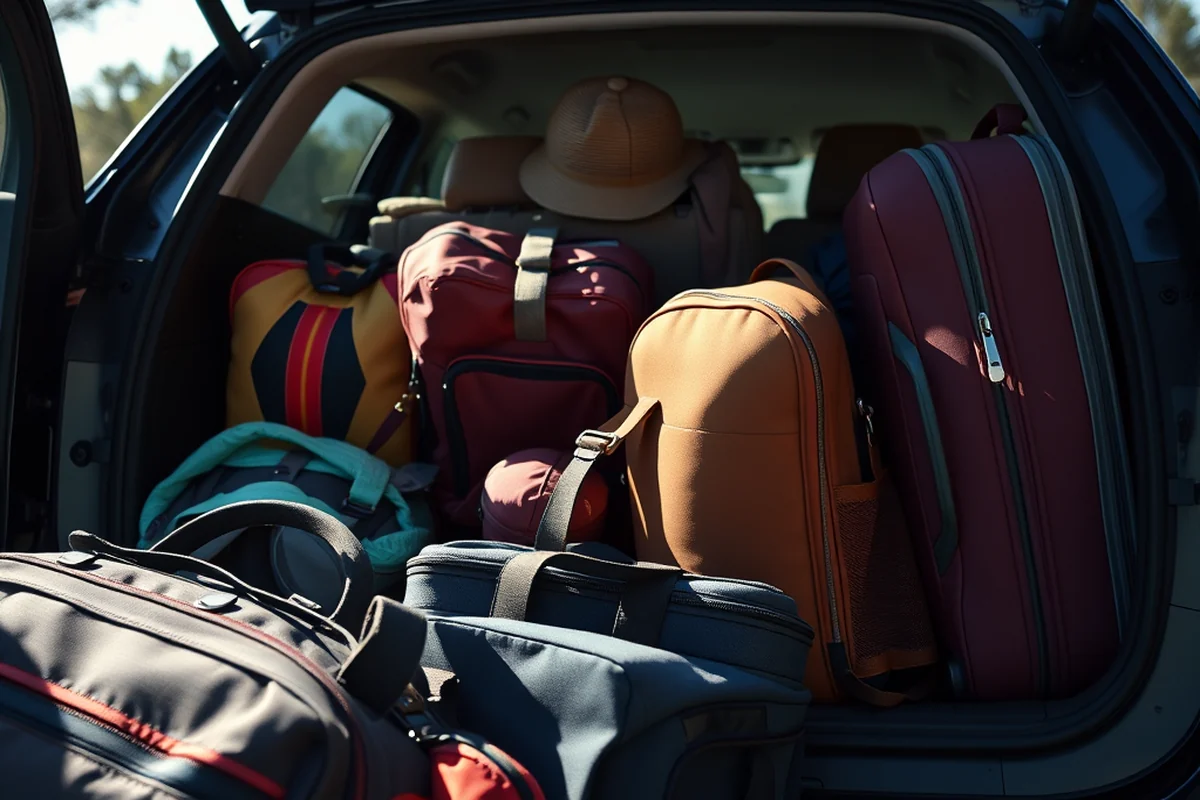
Scams are a reality for travelers, and as a student with limited funds, being targeted can be especially stressful. I’ve come across people offering free tours that end up being expensive, or even fake taxi services that charge exorbitant fees. The best way to avoid these is to stick to well-reviewed companies and avoid deals that seem too good to be true.
One scam I encountered was an overzealous vendor in a market who insisted I try a product, only to later try to charge me for it. I had to explain that I didn’t want to buy anything, but I stayed calm and walked away. It’s important to remain polite but firm when dealing with people who are trying to push a sale.
Another red flag is anyone who approaches you aggressively in a public place. In one instance, someone tried to convince me I had a lost bag and that I needed to go with them to a police station. I quickly realized this was a scam and walked away. Always trust your gut — if something feels off, it’s better to be safe than sorry.
Stay alert, trust your instincts, and avoid deals that seem too good to be true.
Related: Cheap student travel insurance
Related: Student travel reviews
Related: Travel insurance discounts
Related: Student Travel.Cheap.Flights
Related: Student travel checklist
Related: How Much Is Student Travel Insurance
Related: Pricing For A
Related: Sam'S Club Online
Related: Jersey Mike'S Menu Prices
Related: What Is Promo Code
Related: Cost For Plus
Related: Can Student Travel Free In Train
Related: Sam'S Club Mastercard
Related: Smart Traveler Enrollment Program
Related: Sam'S Club Delivery
Related: American Airlines Reservations
Staying Healthy While Traveling
I always pack a small first-aid kit with essentials like hand sanitizer, pain relievers, and bandages. In one city, I came down with a stomach bug and was unable to find an over-the-counter solution at a local pharmacy. My kit saved me from having to visit a doctor in an unfamiliar place.
Another tip is to drink only bottled or filtered water when traveling in areas with questionable tap water. I’ve always carried a portable water filter, which has helped me avoid traveler’s diarrhea on multiple occasions. Staying hydrated and eating only fresh, cooked food also helps prevent illness.
Vaccinations are another important aspect of travel health. Before heading to certain countries, I make sure to get the necessary shots and carry a copy of my vaccination record. I’ve had to show this at border crossings and hospitals, and it’s always been helpful in ensuring I received proper care.
Include hand sanitizer, pain relievers, bandages, and any necessary medications. A portable water filter can also be a lifesaver.
“I remember my first time traveling alone as a student — the excitement, the nerves, the feeling of being completely in charge of my own…”— Student Travel Discounts editors
Related: Www.Samsclubcredit.Com Pay Bill
Related: Nfl Sunday Ticket Student Discount
Navigating Transportation Safely
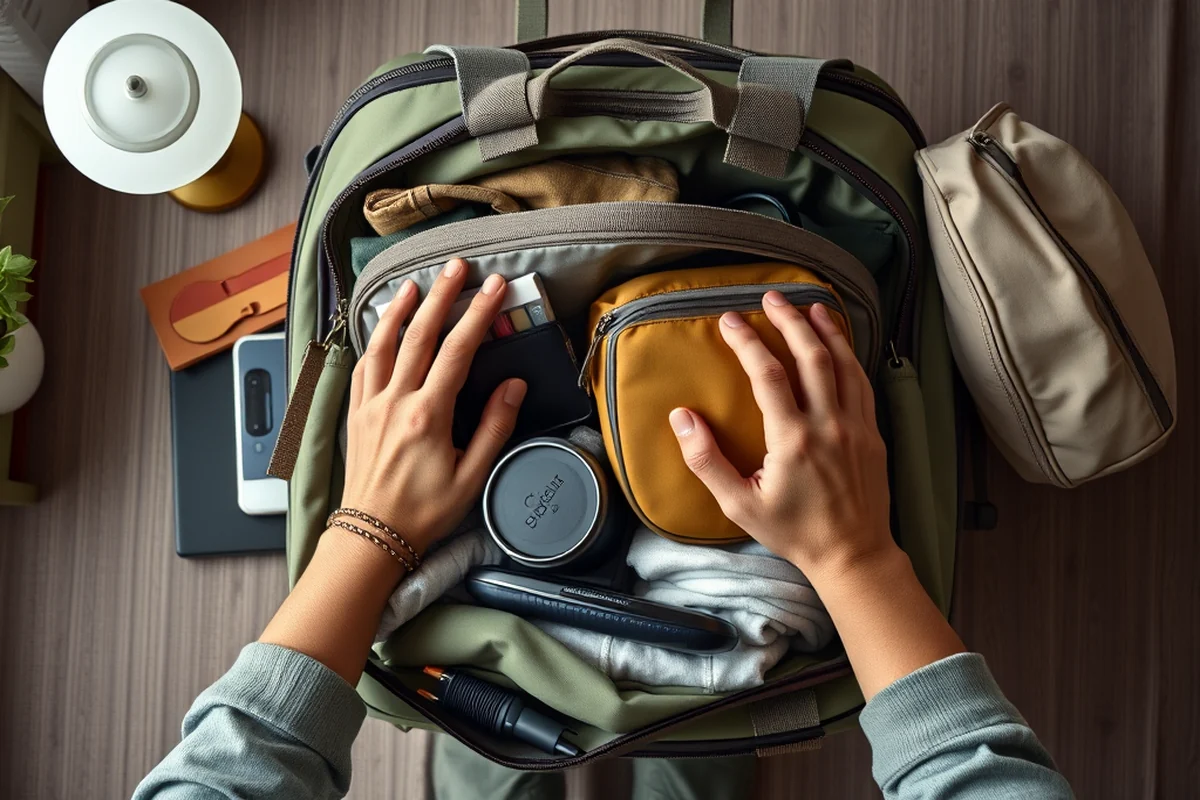
When I first started traveling, I relied too much on public transportation and ended up in unsafe areas. Now, I always research the best ways to get around — whether it’s using a ride-hailing app, taking a taxi from a reputable company, or using a public bus with a well-known route.[3]
I’ve found that ride-hailing apps like Uber and Bolt are safer and more reliable in most cities. I always check the driver’s profile and ensure the car matches the description before getting in. In one city, I noticed the driver’s name didn’t match what was on the app, and I immediately canceled the ride.
For longer trips, I prefer trains or buses with clear destinations and well-reviewed companies. Always ask for a receipt or ticket when you board, and keep it with you at all times. I’ve used this to prove my seat or refund a ticket when something went wrong.
Using Technology for Safety
I always travel with a portable charger and a second phone in case of emergency. Having a backup phone has come in handy when my main one died or was stolen. I also use apps like Google Maps and local translation apps to help me navigate and communicate with locals.
Another tool I use is the ‘Find My’ feature on Apple devices, which helps track lost phones. I’ve used it twice — once when my phone was stolen at a hostel and once when I accidentally left it at a café. It’s a small feature that has made a huge difference in keeping my belongings safe.
I also use travel apps that provide real-time updates on local events, traffic, and even safety alerts. In one city, I received a warning about a protest happening in my area, and I was able to adjust my plans to avoid any potential risks.
Staying Connected with Family and Friends
One of the most important things I learned was to stay connected with family and friends, even if it was just for a few minutes a day. I always make sure to set a time to call or text them, which has helped me feel more secure and less alone.
I’ve used apps like WhatsApp and Facebook Messenger to stay in touch, even when I didn’t have Wi-Fi. These apps are great for sending updates, photos, and even videos. It’s also a good way to let people know you’re safe.
If I’m in an area with no signal, I use the ‘Airplane Mode’ feature and manually turn on Wi-Fi if possible. I also keep a backup SIM card just in case. It’s a small step, but it helps me stay connected and in control of my situation.
Stay connected — even a quick message can give you peace of mind.
Emergency Preparedness While Traveling
I always carry a small emergency kit with essentials like a flashlight, batteries, and a whistle. I’ve found this especially useful during power outages or when I’m in areas with unreliable electricity. I’ve also used the whistle to get help when I was stranded in a remote area.
Another key item I always pack is a copy of my passport and travel documents. I keep them in a separate bag from my main luggage, just in case something happens to my main suitcase. I’ve used this copy to get help from embassy staff and even to re-enter a country after a mishap.
Lastly, I always know the location of the nearest embassy or consulate. I’ve made a note of these in my phone and even printed a list to keep in my wallet. This has helped me find assistance quickly when I needed it most.
💰 Budget Getaway
Explore affordable destinations with minimal expenses and maximum experiences.
🌴 Long Weekend Escape
Take a quick break from studies and enjoy a short but fulfilling trip.
👨👩👧👦 Family-Friendly Travel
Travel with kids in mind — safe, engaging, and educational.
❄️ Off-Season Adventure
Discover hidden gems and lower prices during the less busy travel months.
💎 Luxury Experience
Travel in comfort and style with premium accommodations and services.
| The mistake | Why it happens | The fix |
|---|---|---|
| Not researching local scams before traveling | You might end up falling for a scam that costs money or puts you in danger. | Look up common scams in your destination and share the information with travel companions. |
| Leaving valuables unattended in public places | Pickpocketing is common in crowded areas, and your belongings could be stolen. | Use a secure money belt and avoid carrying large amounts of cash or jewelry in public. |
| Not sharing your itinerary with someone | If something happens, there’s no one to help or check on you. | Text or email your travel plans to a trusted person before and during your trip. |
| Ignoring local health advisories | You could get sick or face unexpected medical challenges. | Research health concerns in your destination and pack a travel health kit with necessary supplies. |
Student Safe Travel
Common Questions
What should I do if I lose my passport while traveling?
How can I stay safe at night in unfamiliar cities?
What are the best ways to avoid scams while traveling?
Is it safe to use public Wi-Fi while traveling?
Cite this guide
Student Travel Discounts (2026). Student Safe Travel. https://studentrove.com/student-safe-travel/
Feel free to cite or share this guide.